andBeyond is one of the world’s leading luxury safari and experiential travel companies. Founded in South Africa in 1991, it runs lodges and camps across Africa, Asia and South America, guided by a simple ethos: care of the land, care of the wildlife, care of the people. Its guests travel to some of the wildest places left on the planet, and in doing so help keep them wild.
Virtuoso is a global network of luxury travel advisors, and its Globetrotting event in Las Vegas puts the people who sell high-end travel under one roof. For its Globetrotting event in 2026, andBeyond brought in Habitat XR and artist Joni-Leigh Doran with a question: what happens when you combine hand-painted canvases, 2D animation, augmented reality and spatial sound with a brand whose entire proposition is place?
The answer became The Rare Collection.
An expo hall is about as far from the wilderness as you can get. Carpet, lights, air conditioning, and hundreds of stands competing for the same few minutes of attention, most of them armed with a screen and a brochure.
andBeyond’s challenge was distance, both physical and emotional. How do you make a travel advisor on a Las Vegas show floor feel something real for a sand forest in Zululand or a river valley in Bhutan? It had to work in seconds, in a crowd, with no learning curve. And it had to leave andBeyond’s team free to talk to every guest, because those conversations are the reason you take a stand in the first place.
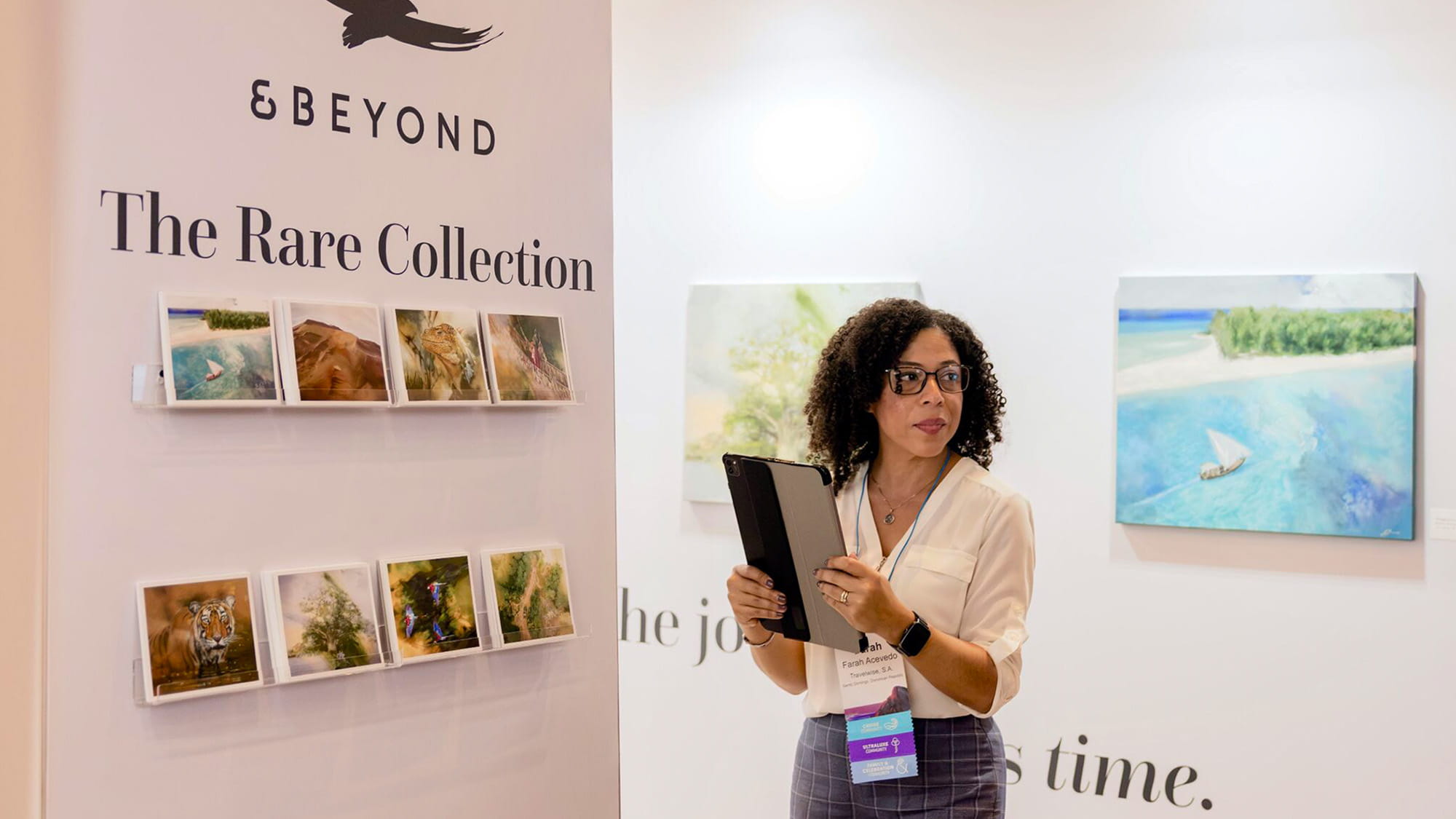
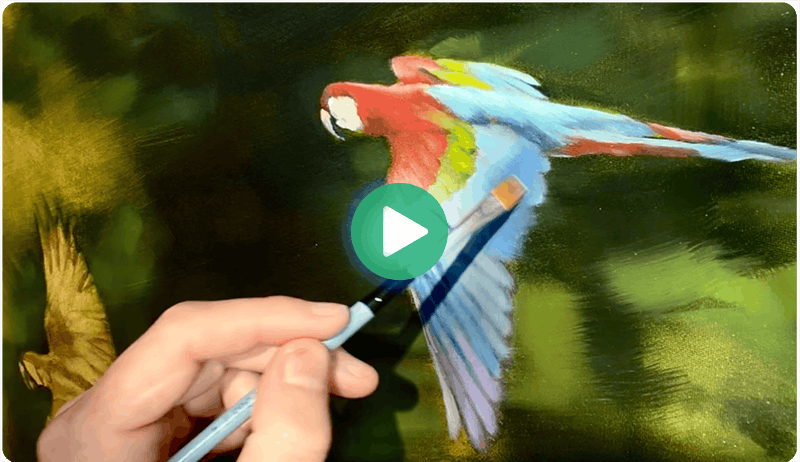
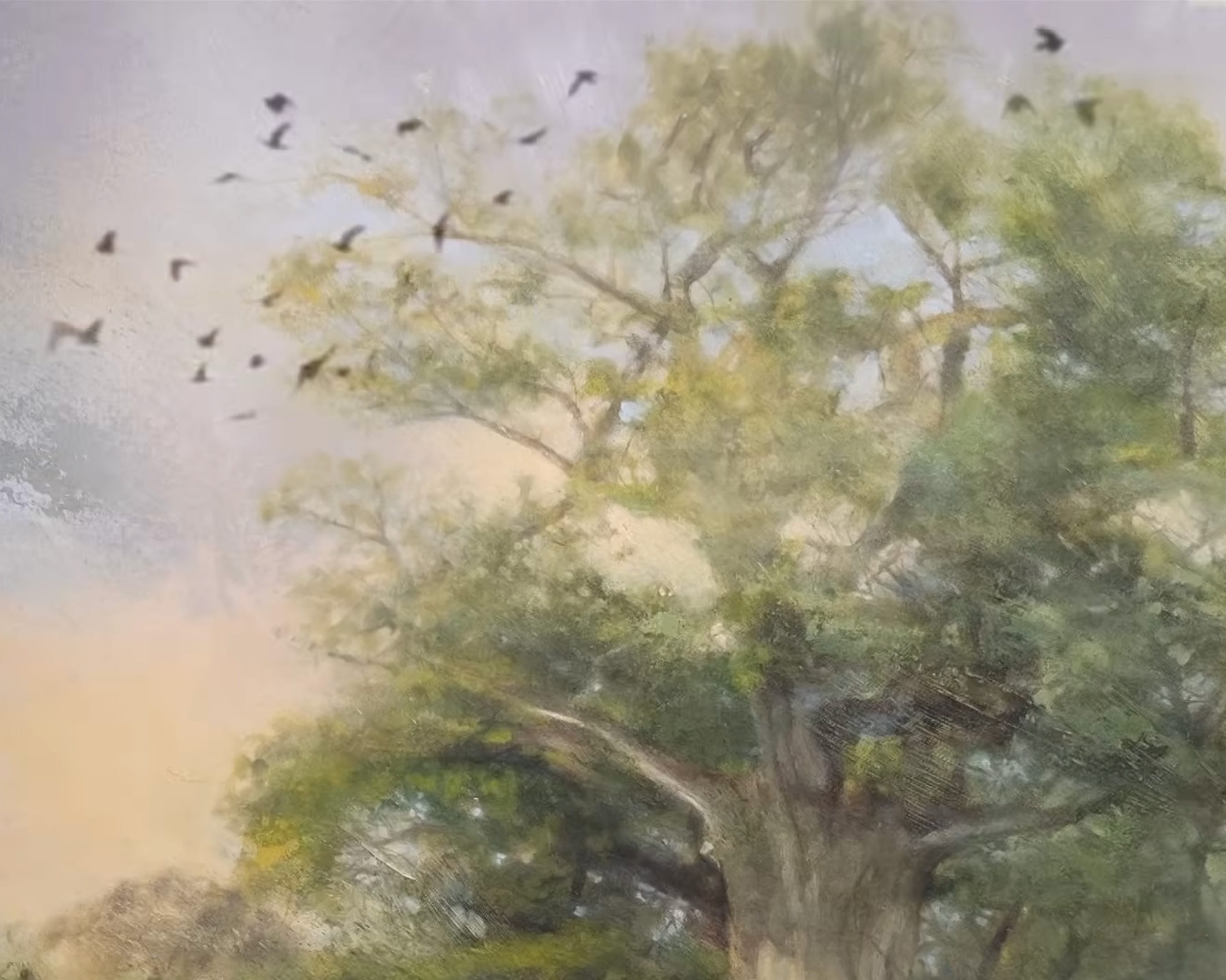
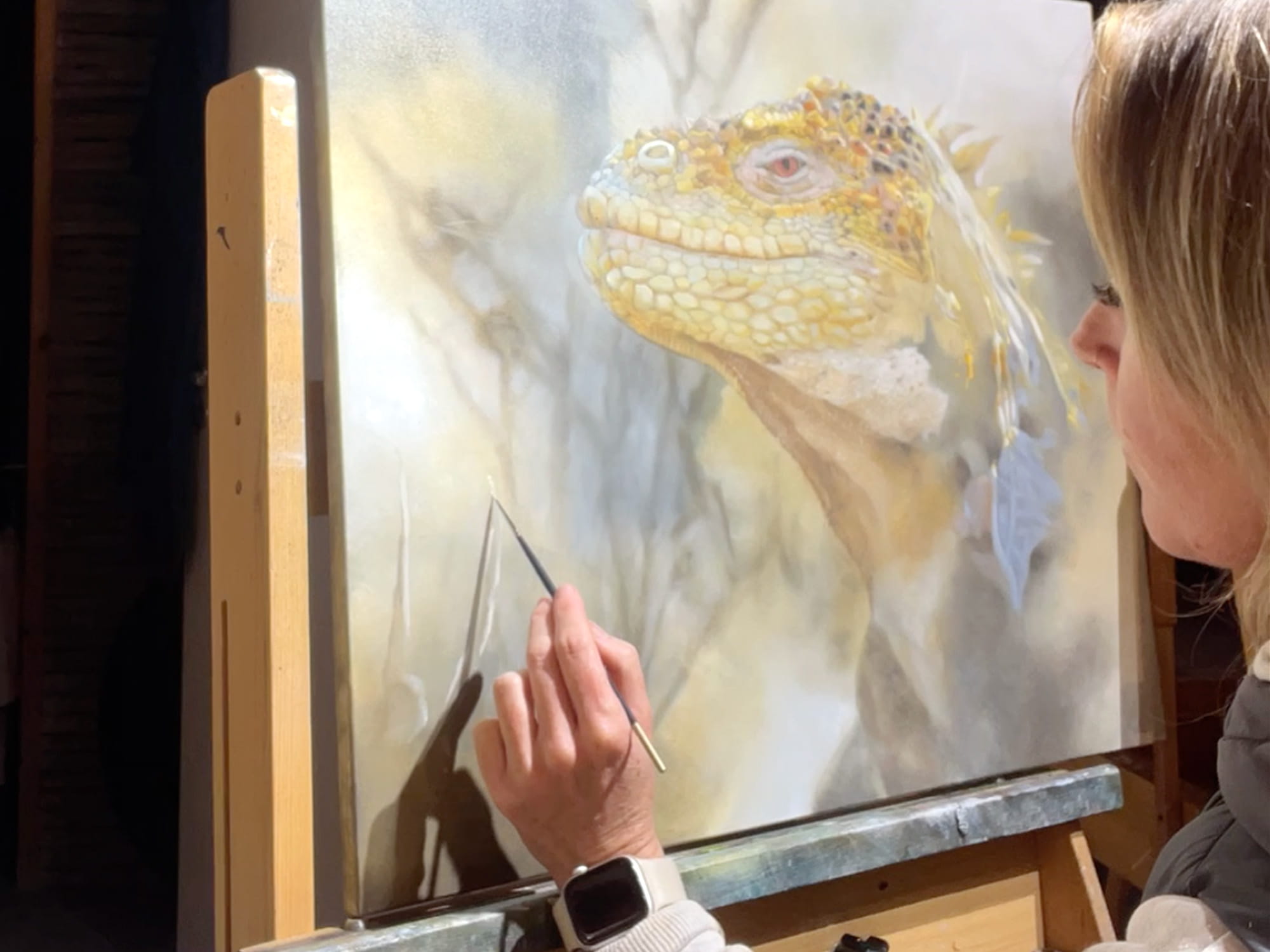
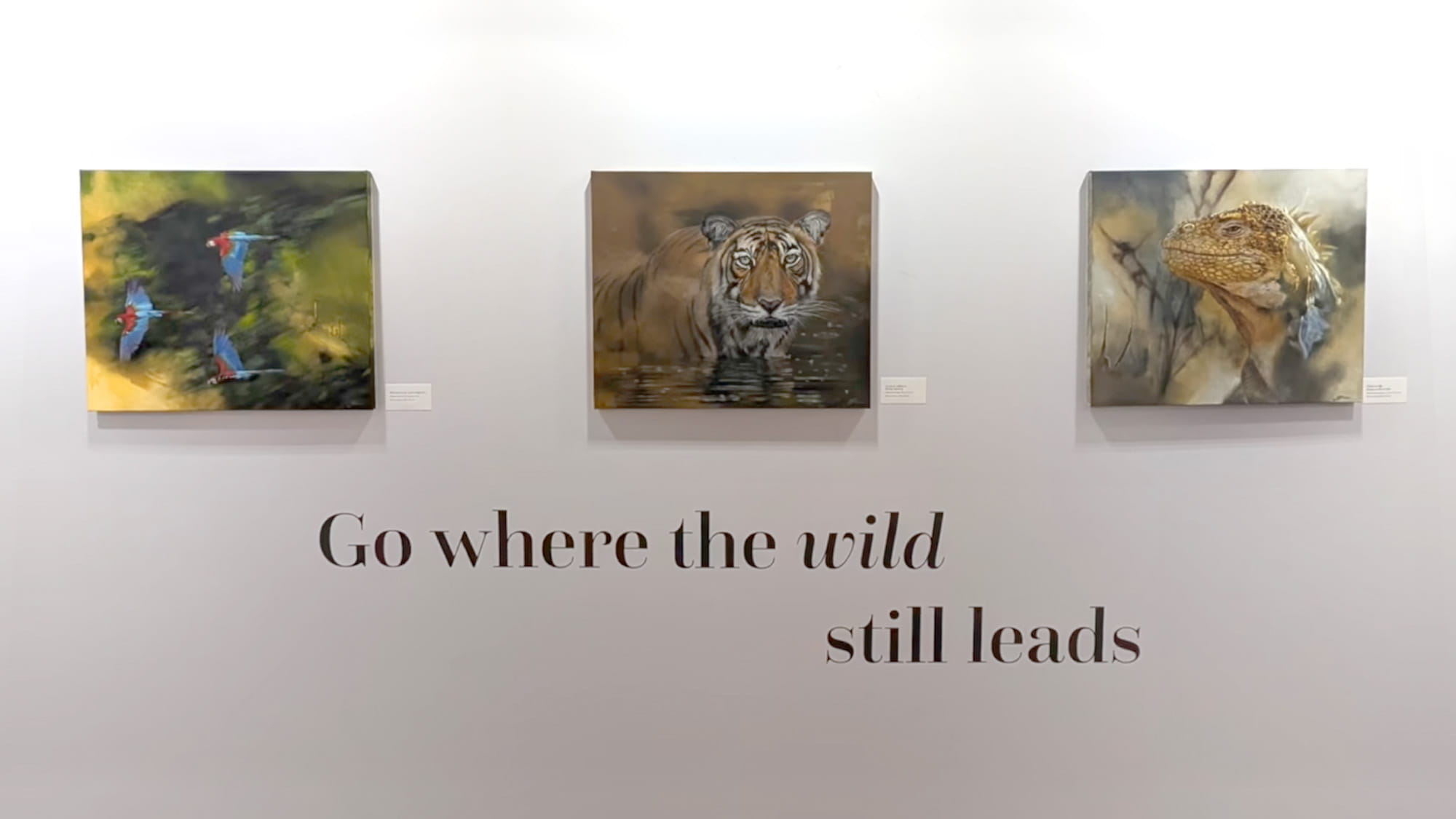
We started with paint. Joni-Leigh created nine original oil paintings, each depicting an andBeyond destination, from Phinda Private Game Reserve in South Africa to Punakha in Bhutan. On the stand they worked as a gallery in their own right. They were also the triggers for a custom augmented reality app we built for the event.
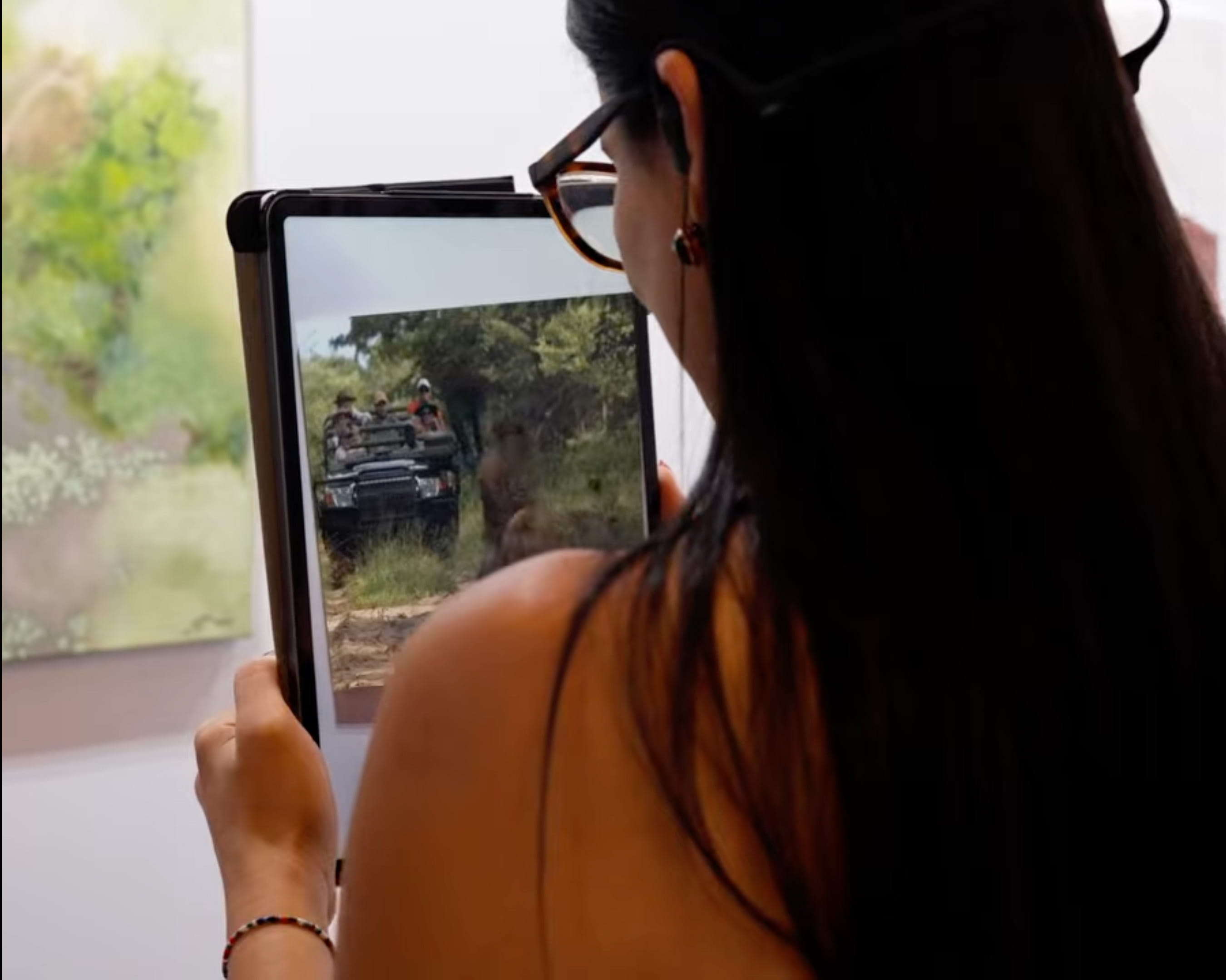
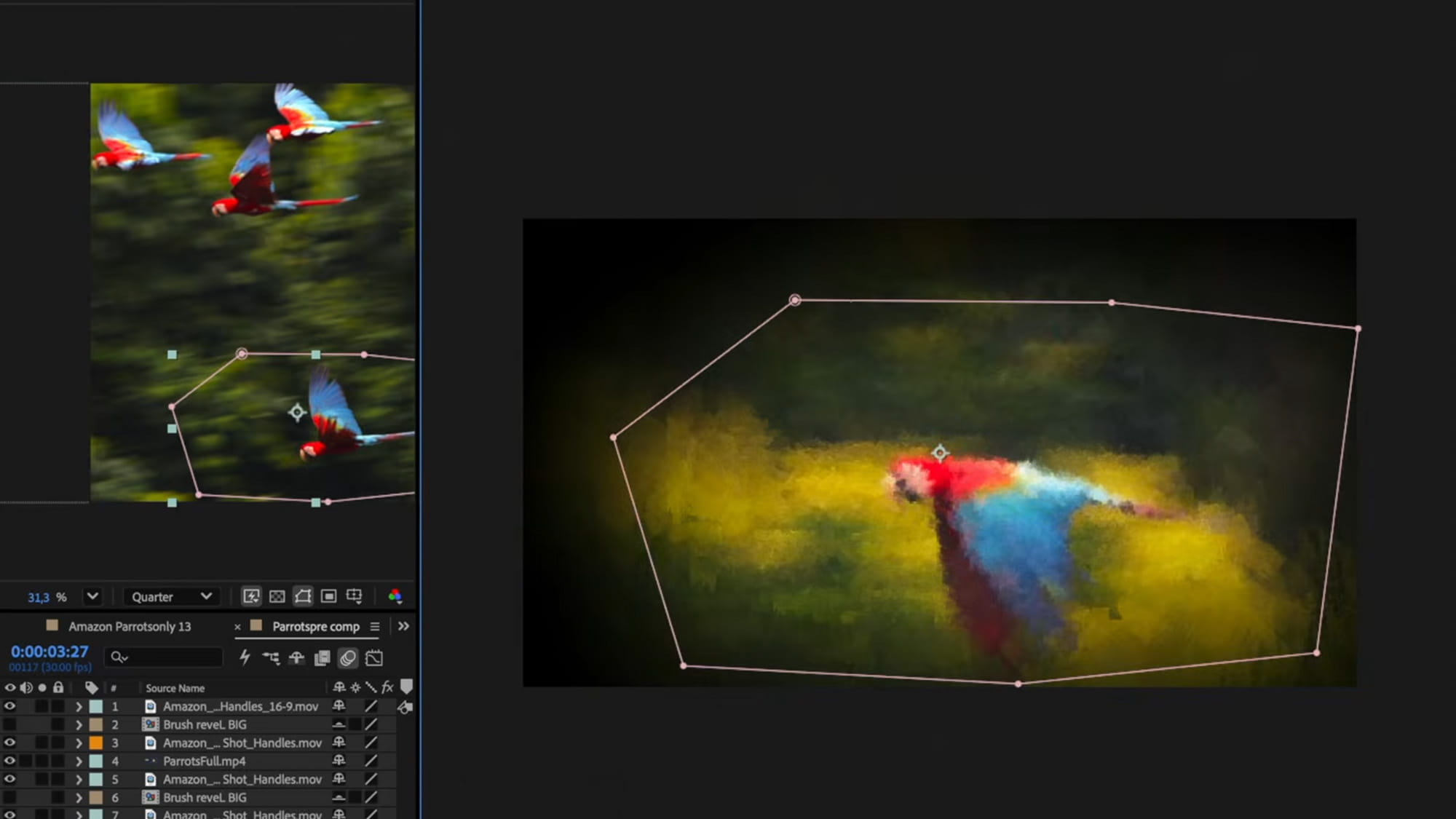
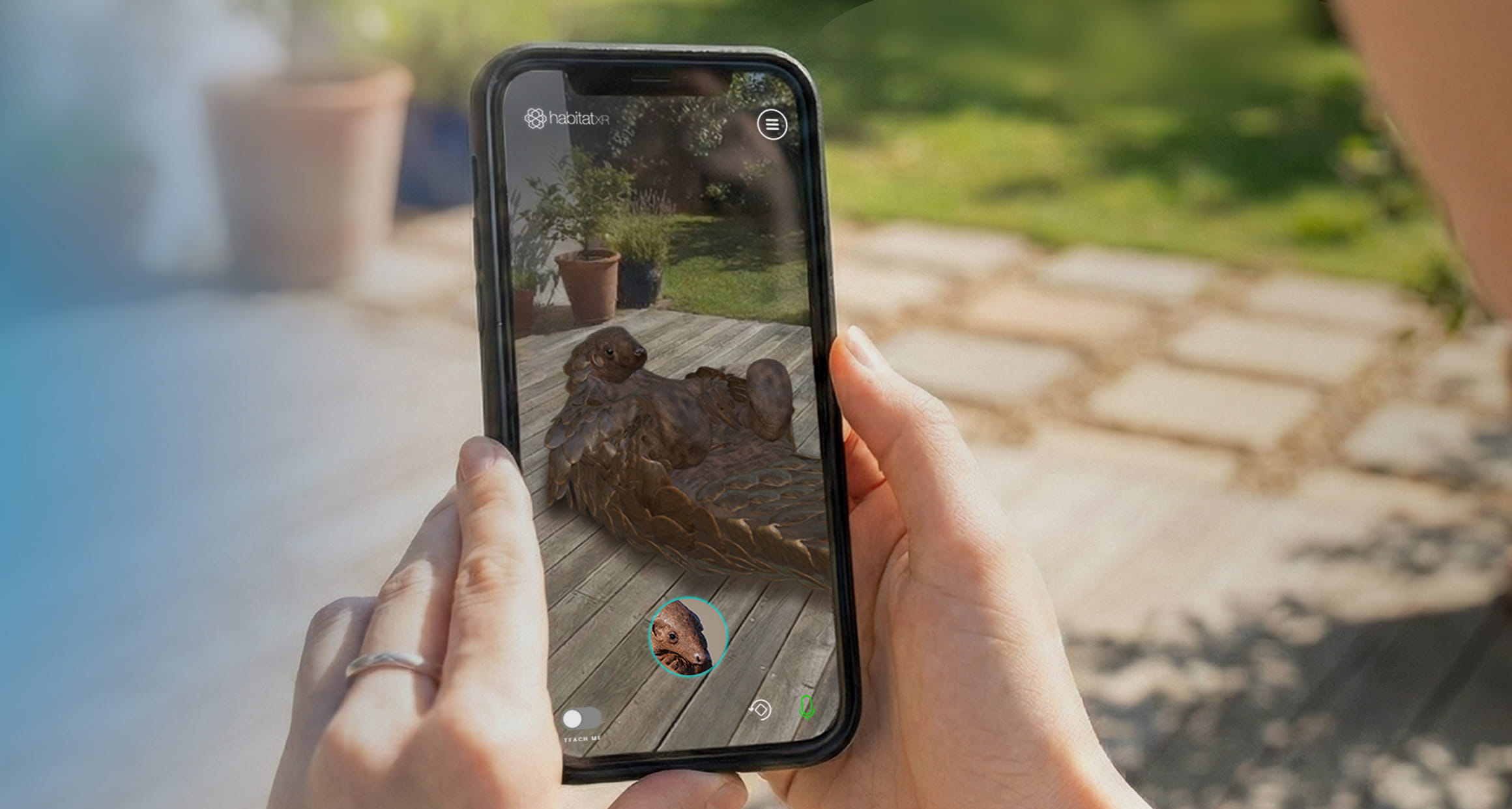
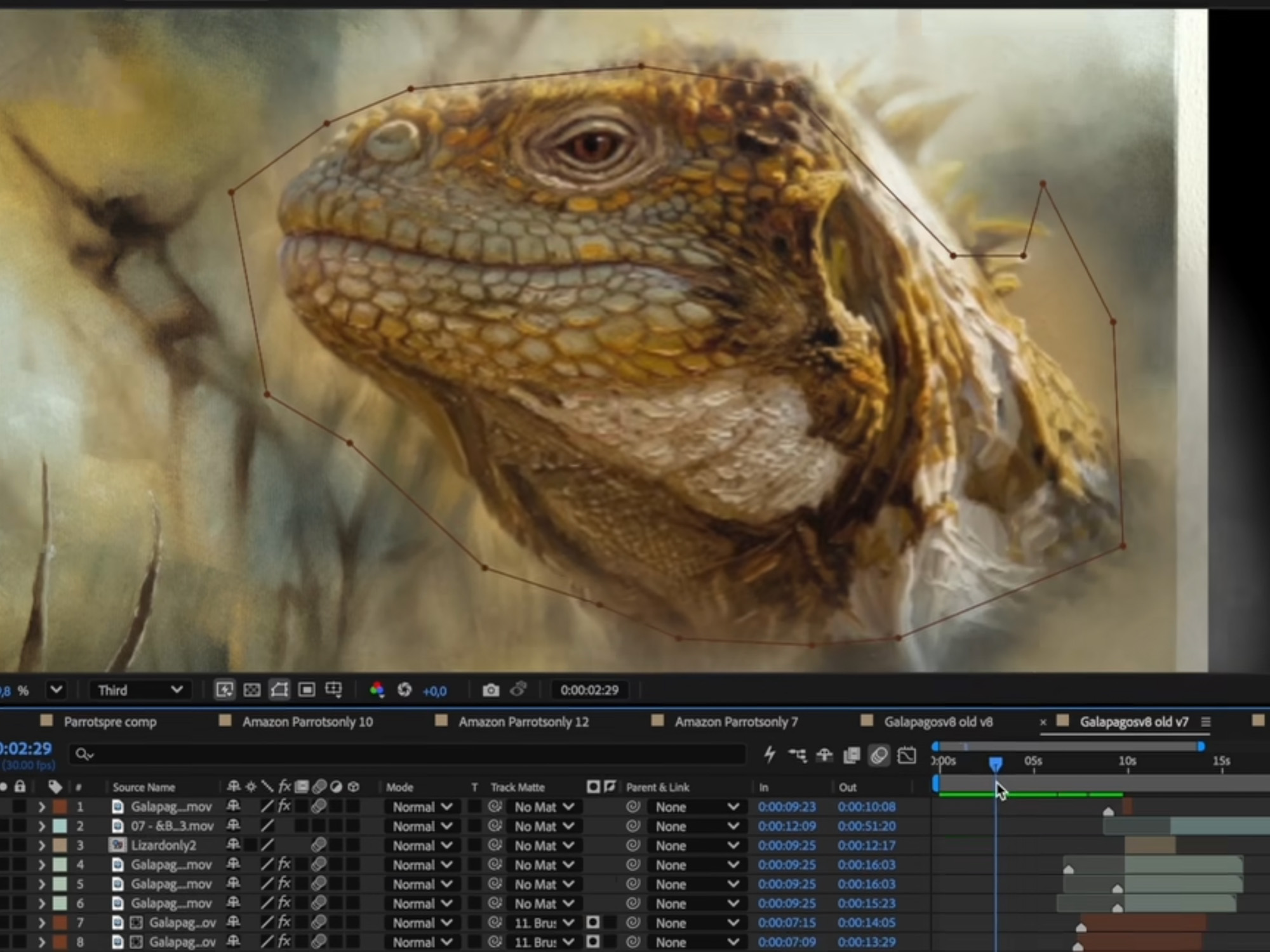
Guests were handed one of 16 iPad Pro tablets and a pair of bone conduction headphones. Point the iPad at a painting and the app recognised it, then brought it to life through painstaking hand-crafted animation. The animation carried into film of the real destination, turning each canvas into a window onto the place it depicted.
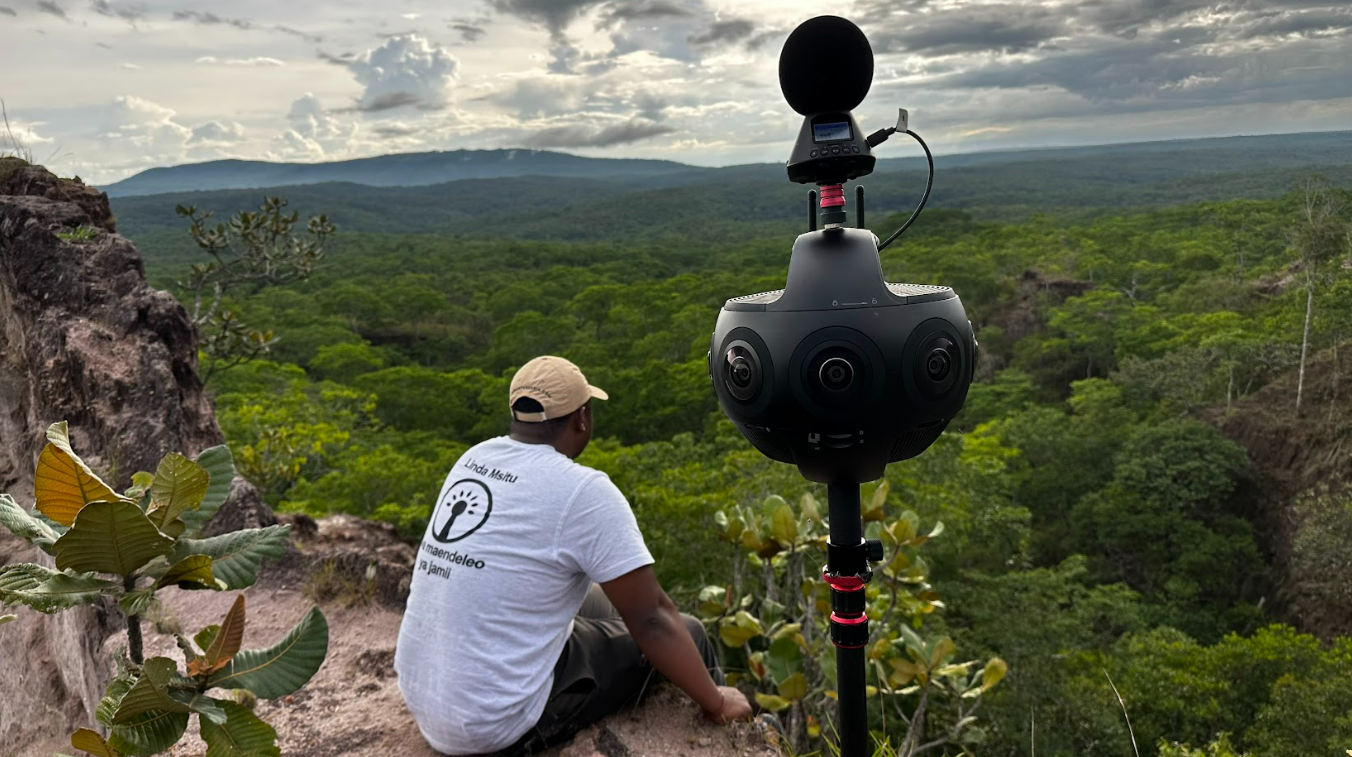
Sound did the rest. Spatial audio placed each guest inside the soundscape of the destination, shifting with where they stood in relation to the canvas. We chose bone conduction because it leaves the ears open, so andBeyond’s team could talk guests through each place while they were standing in it.
The interaction asked almost nothing of anyone: point, look, listen.
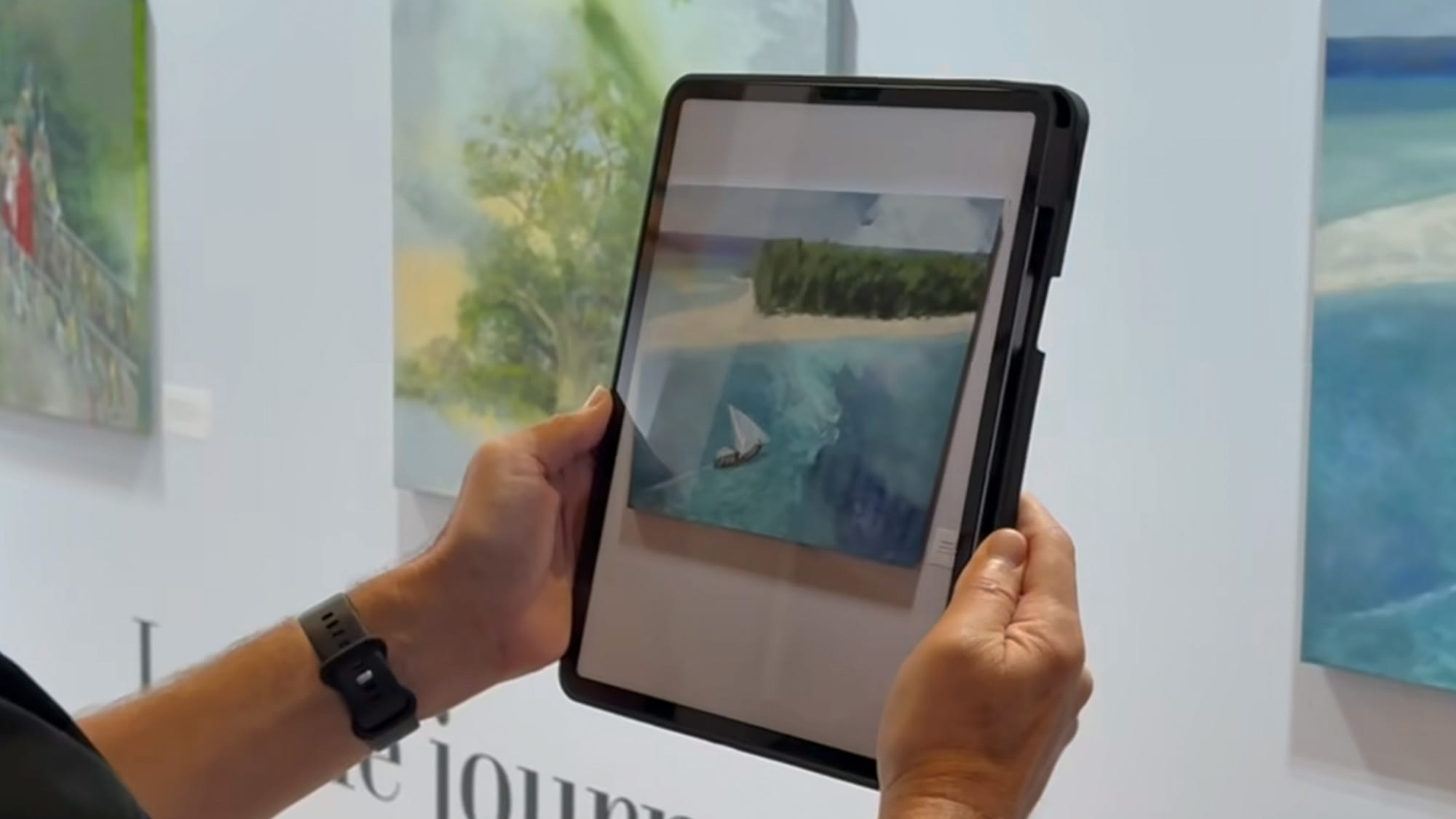
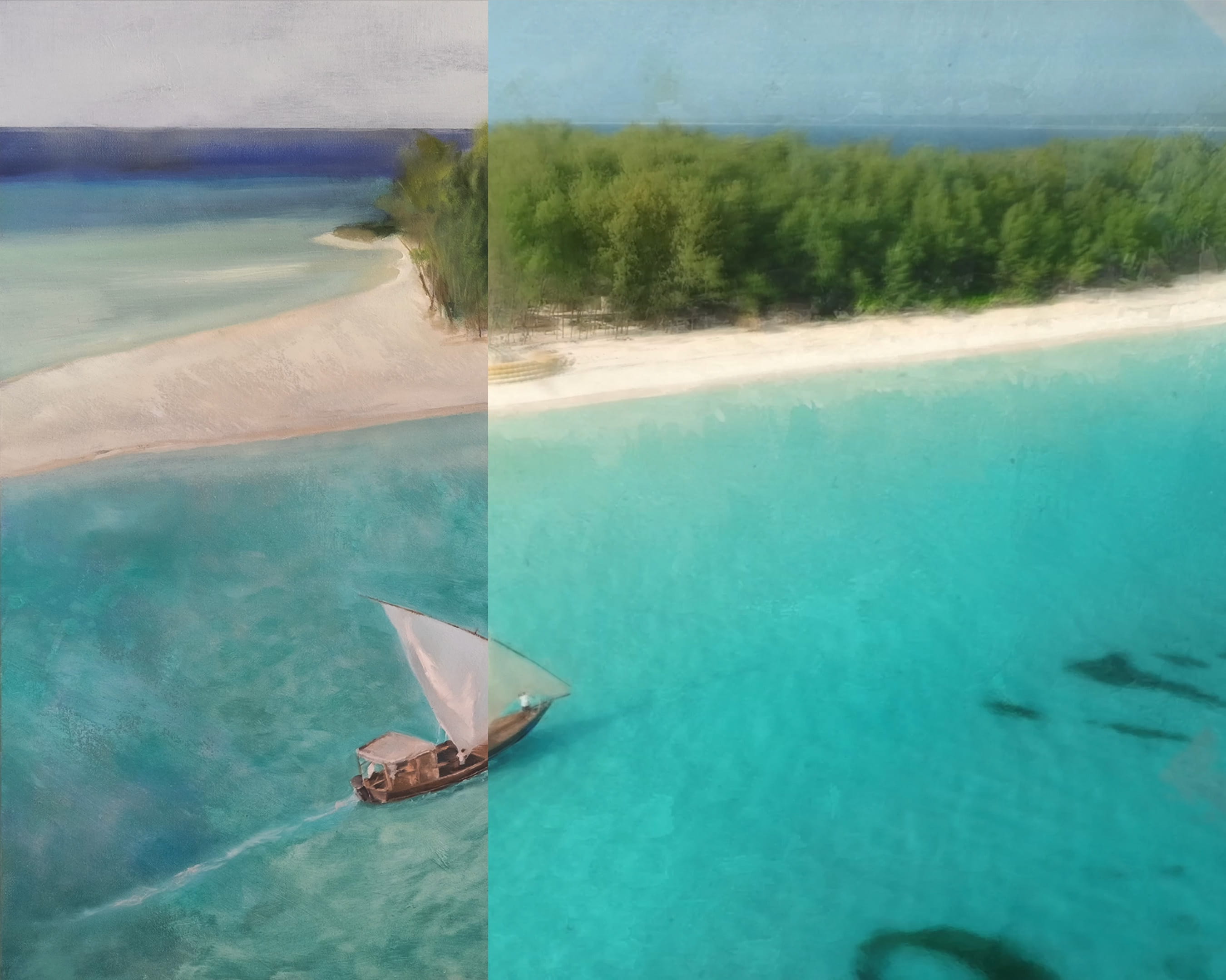
The build was meticulous. Using it was effortless, and that was the point. In great immersive experiences, the technology all but disappears. Guests needed no instructions and no headset. They stood in front of a painting and found themselves somewhere else.
That changed the conversations on the stand. andBeyond’s team could talk about the places themselves, the wildlife, and why andBeyond chooses to operate where it does, with guests who were already looking and listening.
Nine paintings, sixteen iPads and a lot of hidden engineering, all in service of the idea behind everything we make: immersive technology can bring people close to wild places they may never stand in. That proximity is where care begins, and care is what keeps rare places rare.
“The places were the story. The technology simply helped someone stop, look, listen and perhaps feel something for a place they may never have experienced before.”