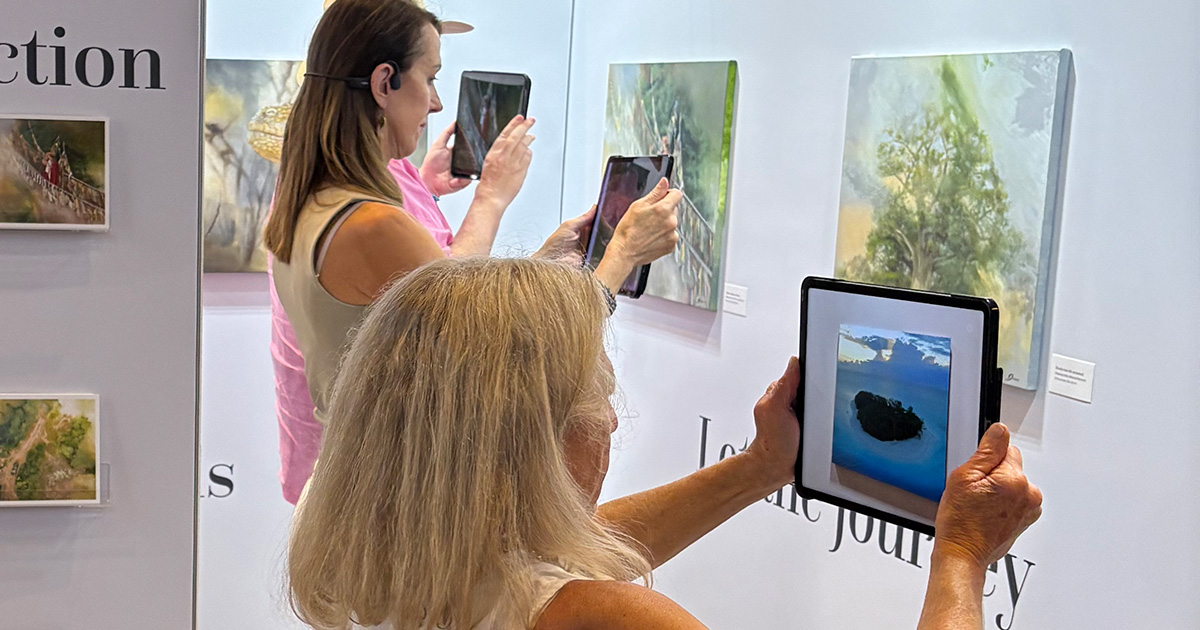
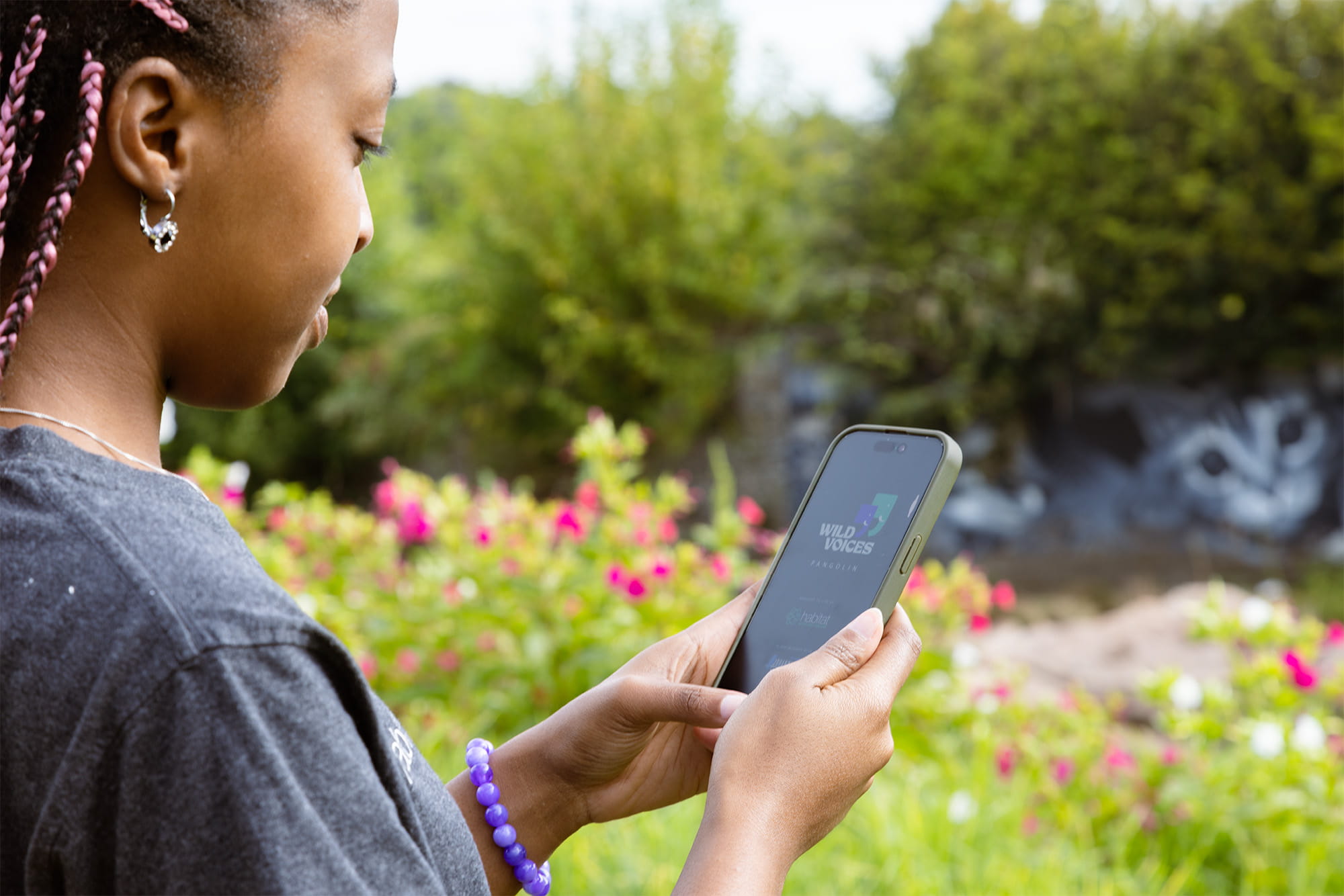
Wild Voices is an augmented reality app series that lets people meet wildlife through lifelike 3D animals and conversational AI, bringing real animal behaviour and conservation stories into everyday spaces.
For World Pangolin Day 2026, we launched the first Wild Voices experience in partnership with Johannesburg Wildlife Veterinary Hospital. It introduces Khanyisa, a life-sized Temminck’s ground pangolin. People can meet her, walk around her and talk to her from wherever they are, while supporting the work being done to protect her species.
Temminck’s ground pangolins occur naturally in South Africa, yet they are shy, nocturnal and almost never seen. They face mounting pressure from illegal wildlife trafficking and habitat loss, fuelled in part by the myth that their scales have medicinal value.
Conservation often fails because people feel disconnected from what they’re being asked to protect. So how do you get people to care about an animal they will probably never see?
What if every South African could have a pangolin in their home? What if they could have a conversation with her?
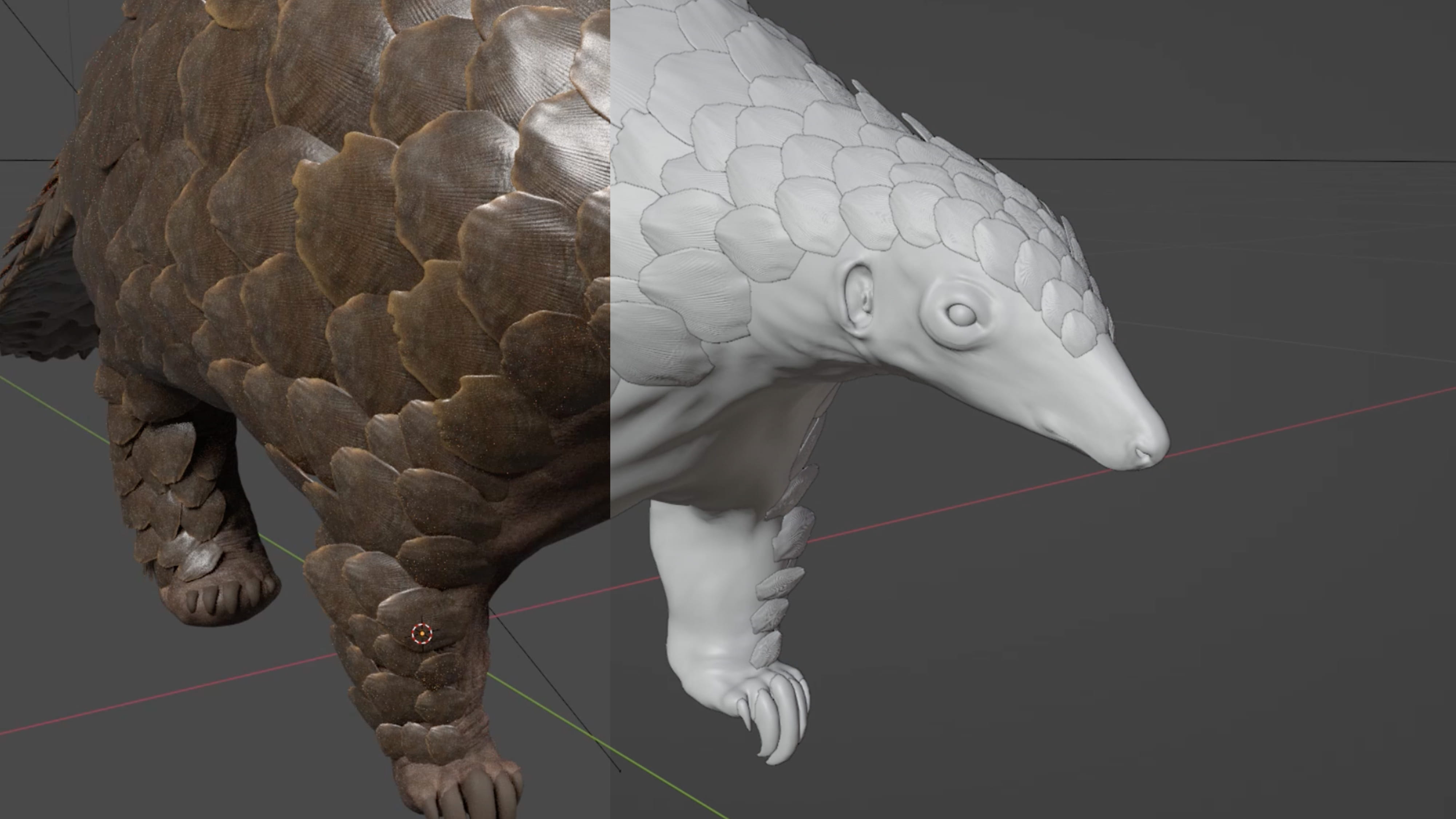
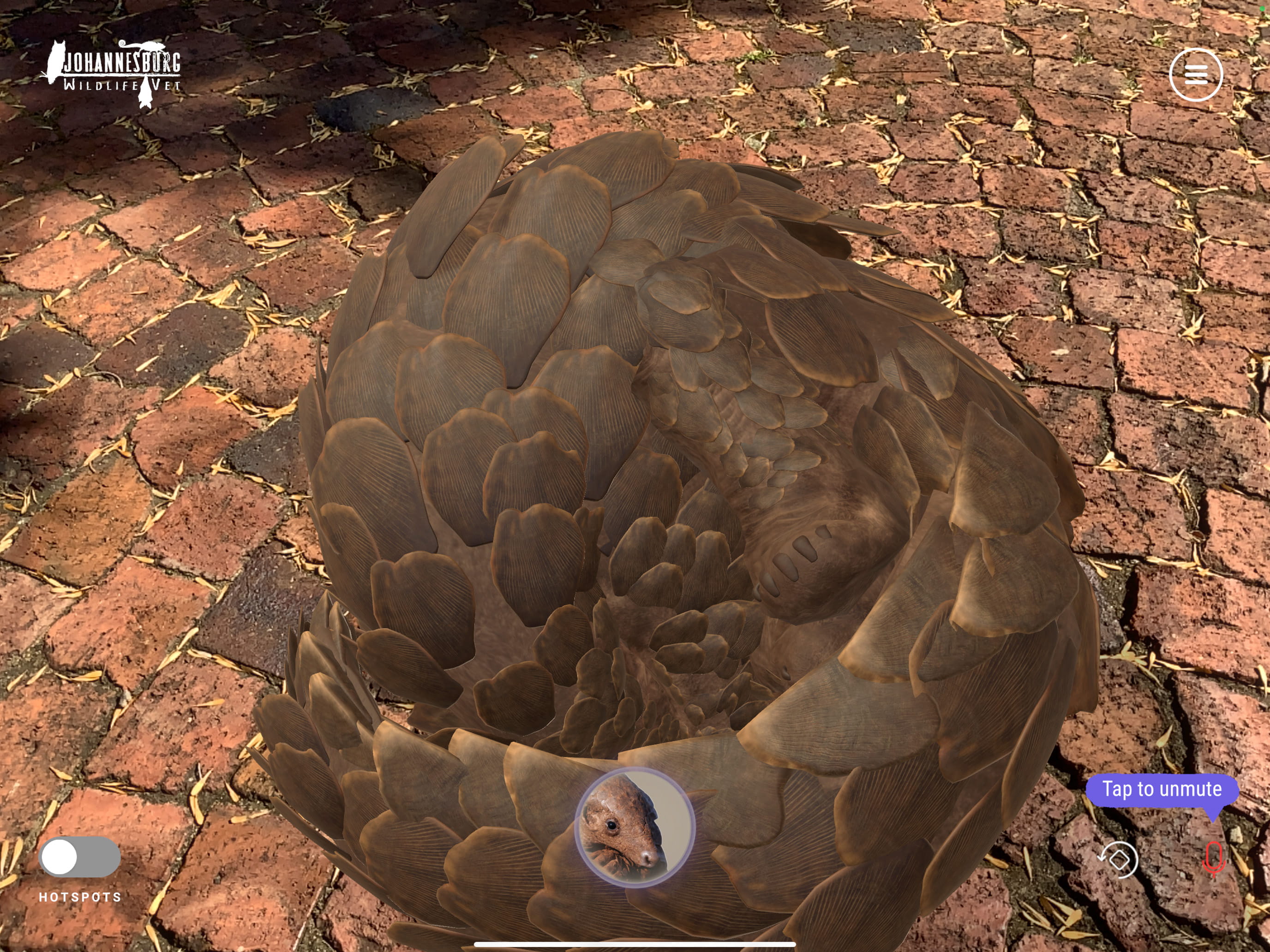
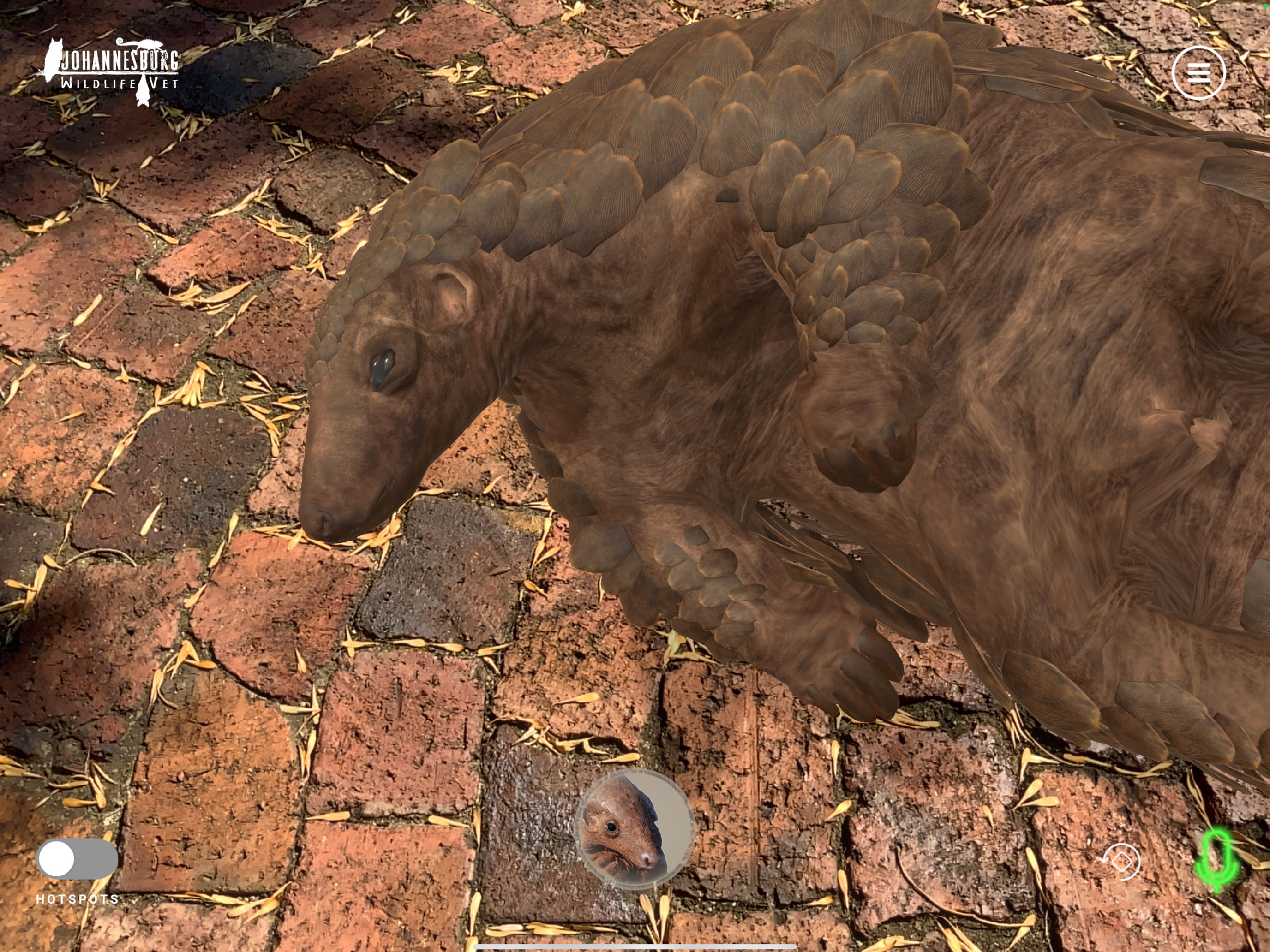
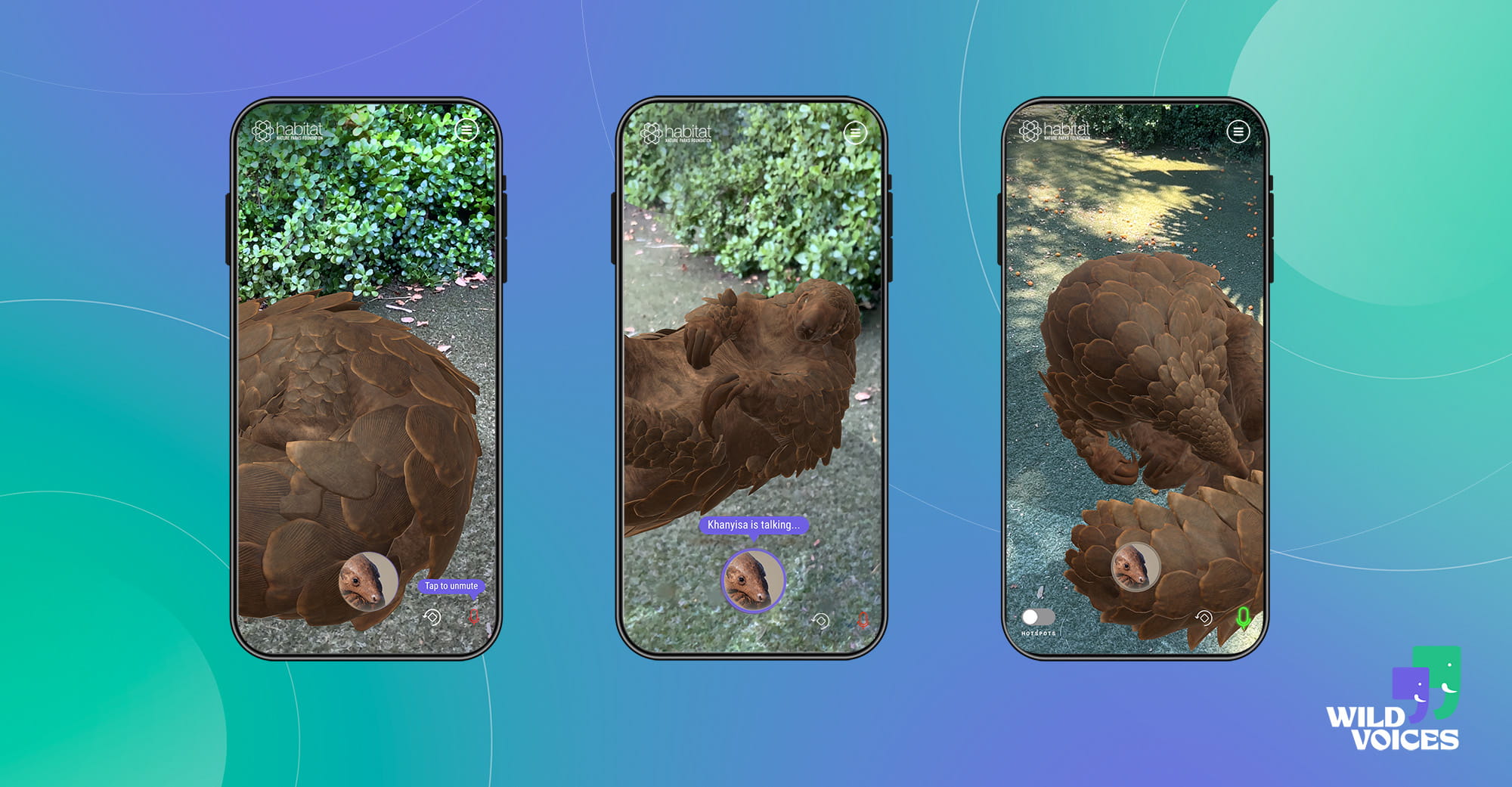
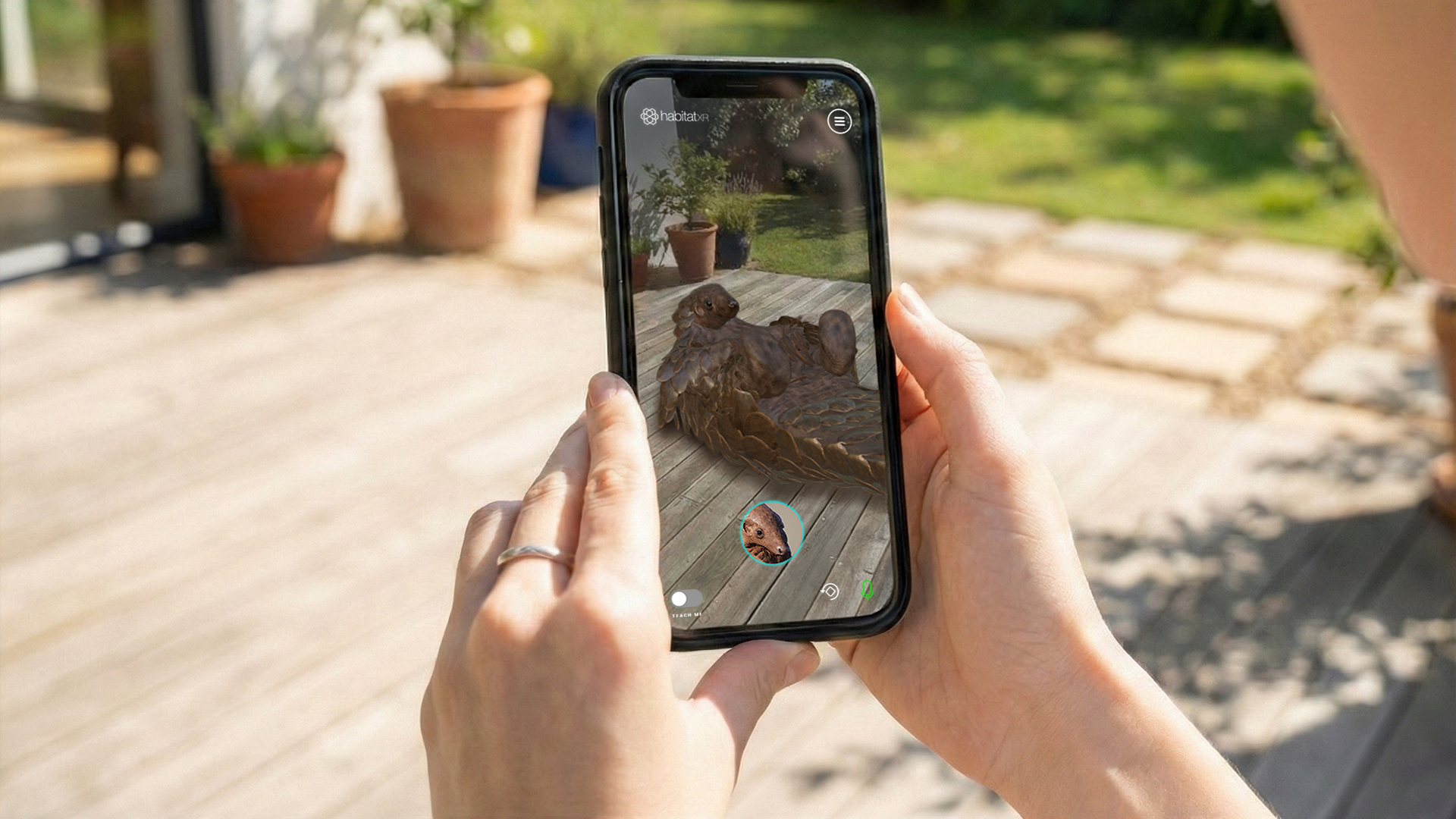
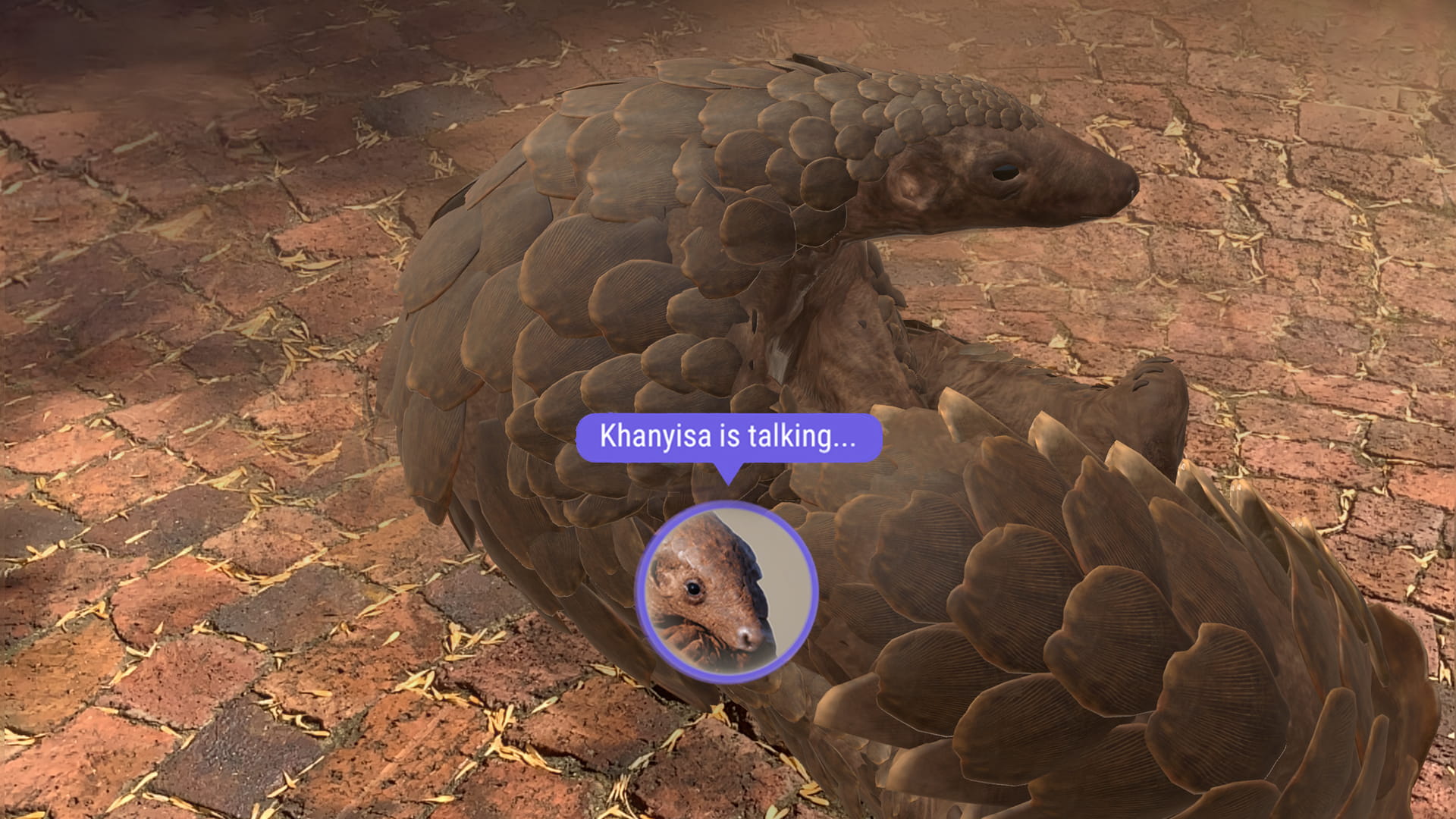
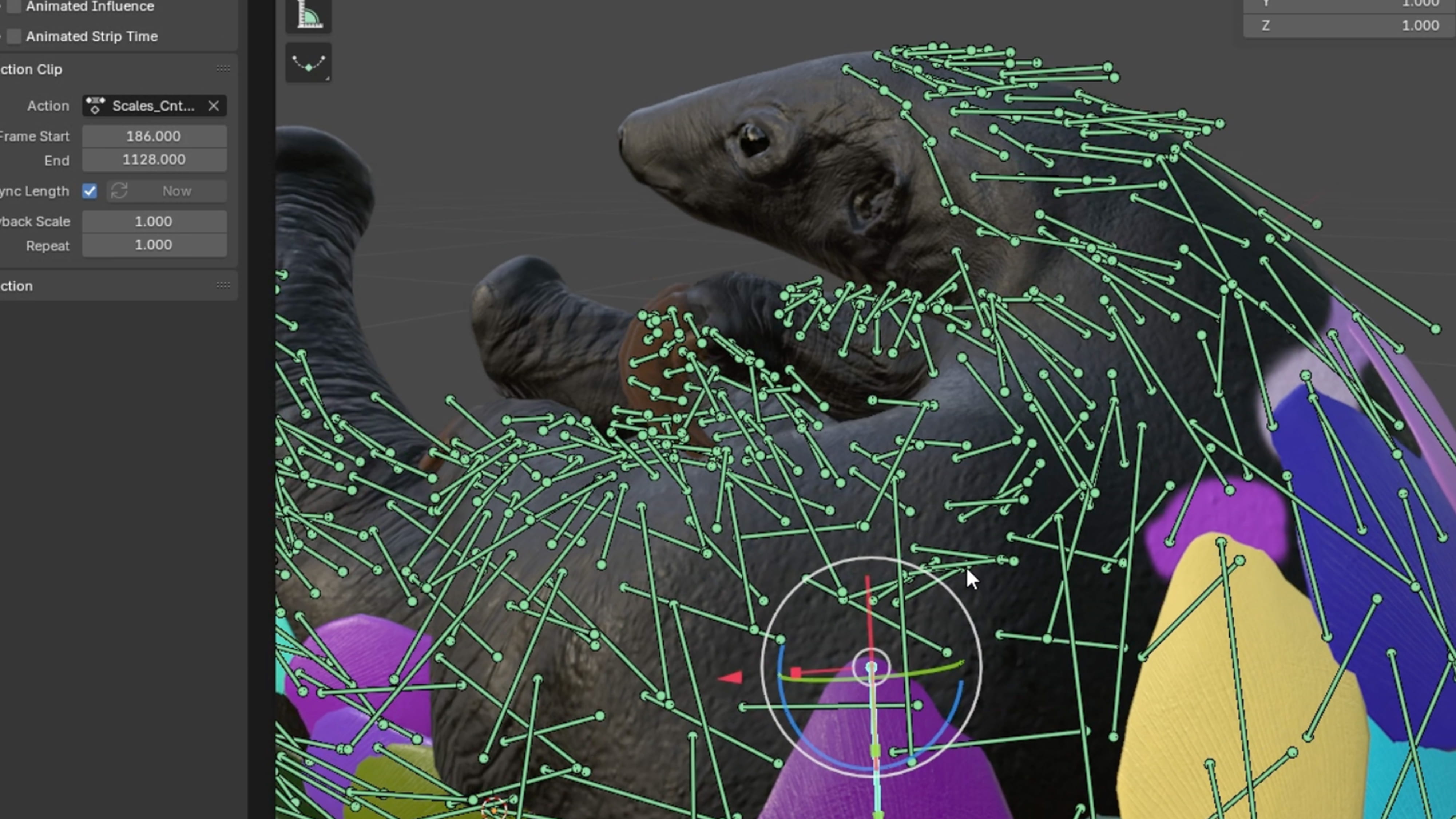
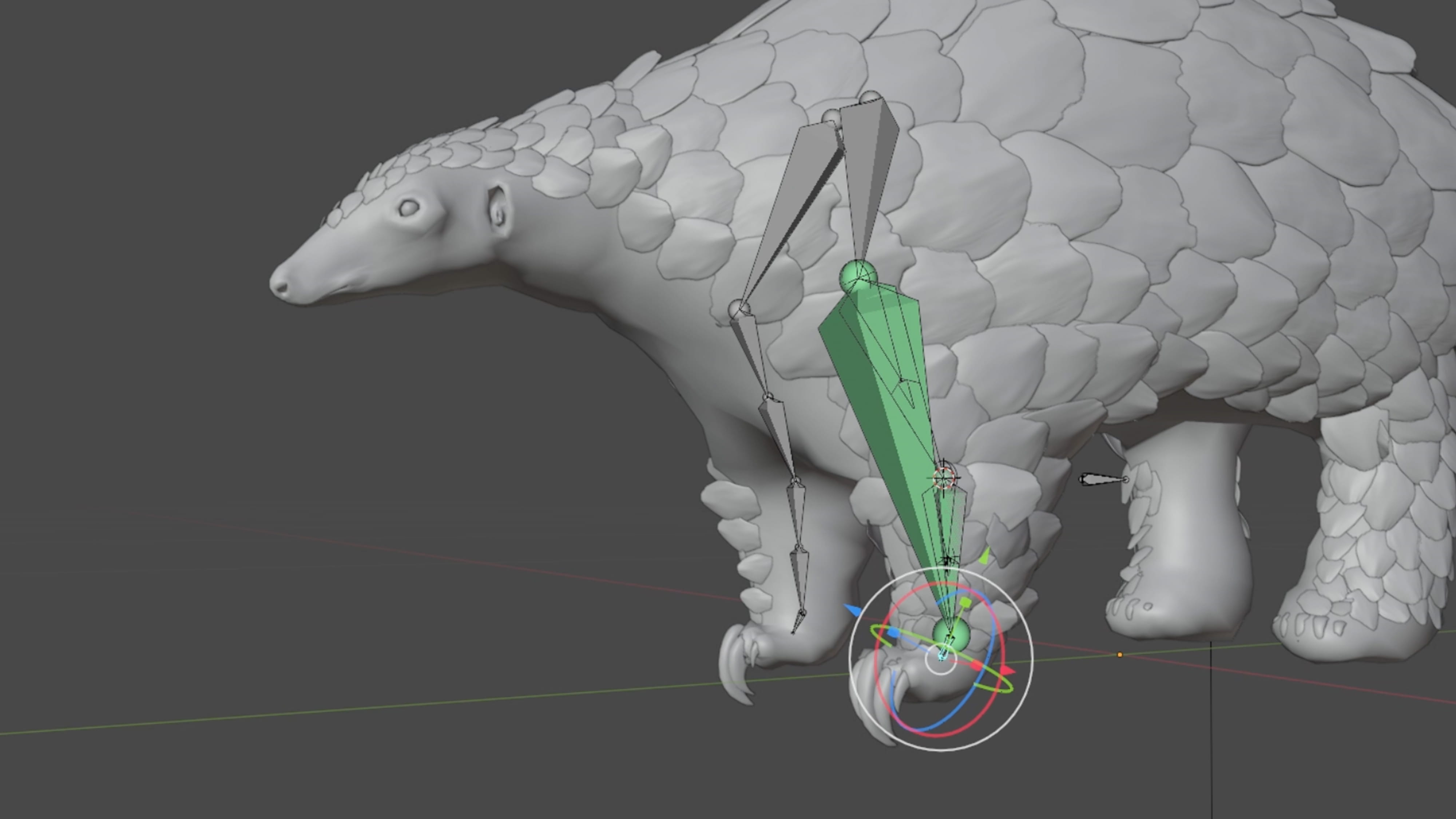
Our storytellers, 3D modellers, riggers, technical artists, animators and developers built Khanyisa from the ground up, based on CT scans and reference material. Using a phone or tablet’s built-in sensors, the app places her life-sized in the user’s own space. There she sniffs, explores, and follows them with her eyes and head.
Carefully trained conversational AI lets users speak to her out loud and in real time, in any of South Africa’s eleven official languages. She answers questions about her biology, her behaviour and the threats she faces, and every conversation is designed to be child-safe. The incredible opportunity of an adaptive conversational model is that each user gets a completely bespoke learning experience based on their own specific curiosity and needed level of learning. Interactive hotspots around her body add scientifically accurate facts about anatomy, behaviour and conservation.
The experience also teaches real wildlife boundaries. This is important, because immersive technologies often introduce proximity that might have an unintended consequence if not addressed. Move too close or speak harshly, and she curls into a protective ball until she feels safe again. Trust is earned through kind, respectful interaction and tracked by a trust bar in the app. As trust grows, she lets you come closer, and you earn new privileges.
Johannesburg Wildlife Veterinary Hospital’s hands-on experience rescuing and rehabilitating pangolins guided the scientific accuracy of every interaction. Optional in-app donations support their frontline work.
Wild Voices: Pangolin launched on iOS and Android in time for World Pangolin Day 2026. It has since been downloaded more than 700 times in over ten countries, carrying a South African pangolin’s story into homes well beyond her range.
Each download is a personal encounter with an animal most people will never see in the wild. It is also a conversation that challenges the myths driving the trade, and a direct route for users to support JWVH’s rescue work.
The project also established the format for the Wild Voices series: giving endangered and at-risk species a voice of their own, and the chance to tell their stories directly. Khanyisa is the first, and more species are planned.
“Innovative, ethical technology allows us to extend our work beyond the hospital and into people’s homes. Awareness is one of the most powerful tools we have in combating illegal trade. By making pangolins accessible at scale, this initiative helps transform curiosity into care”