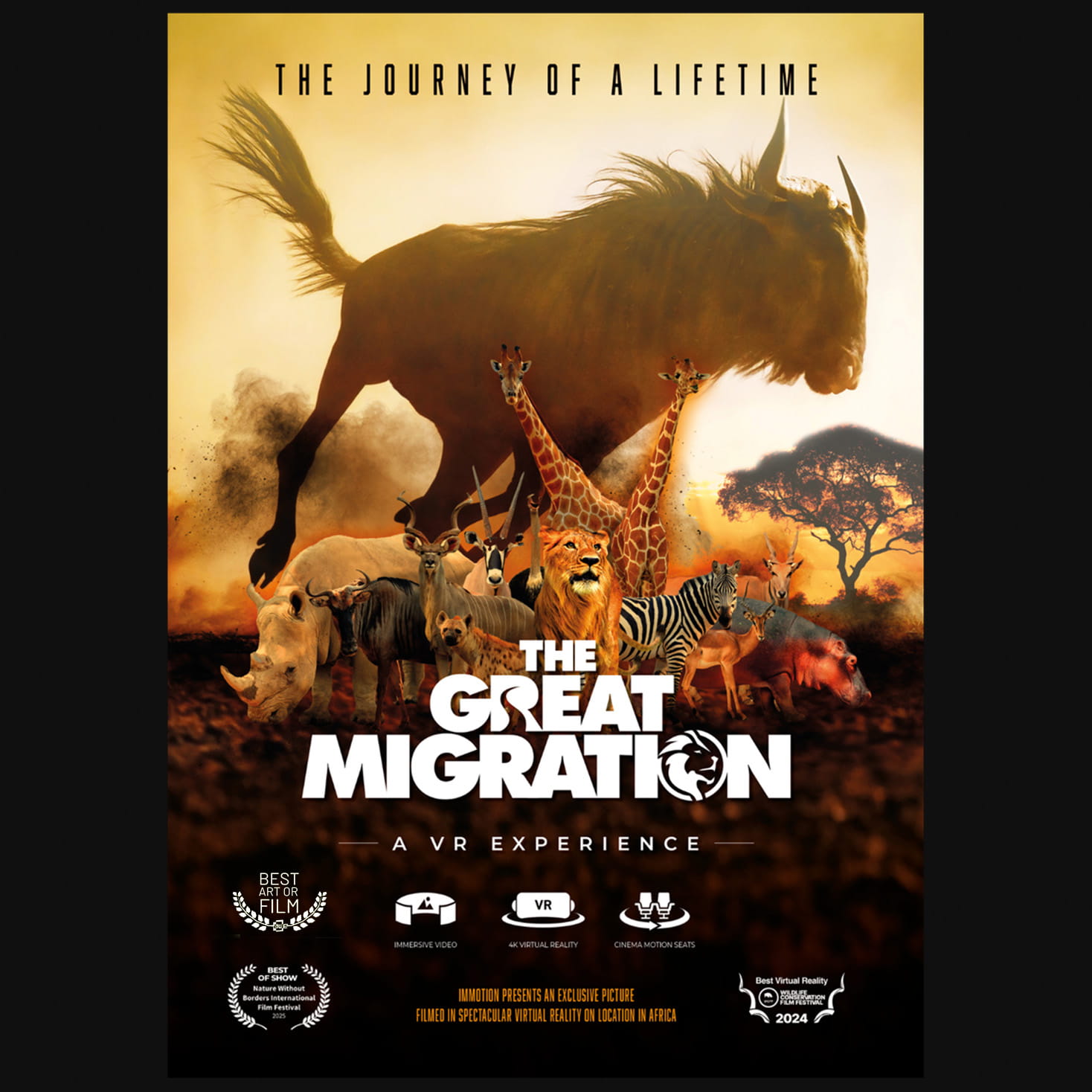
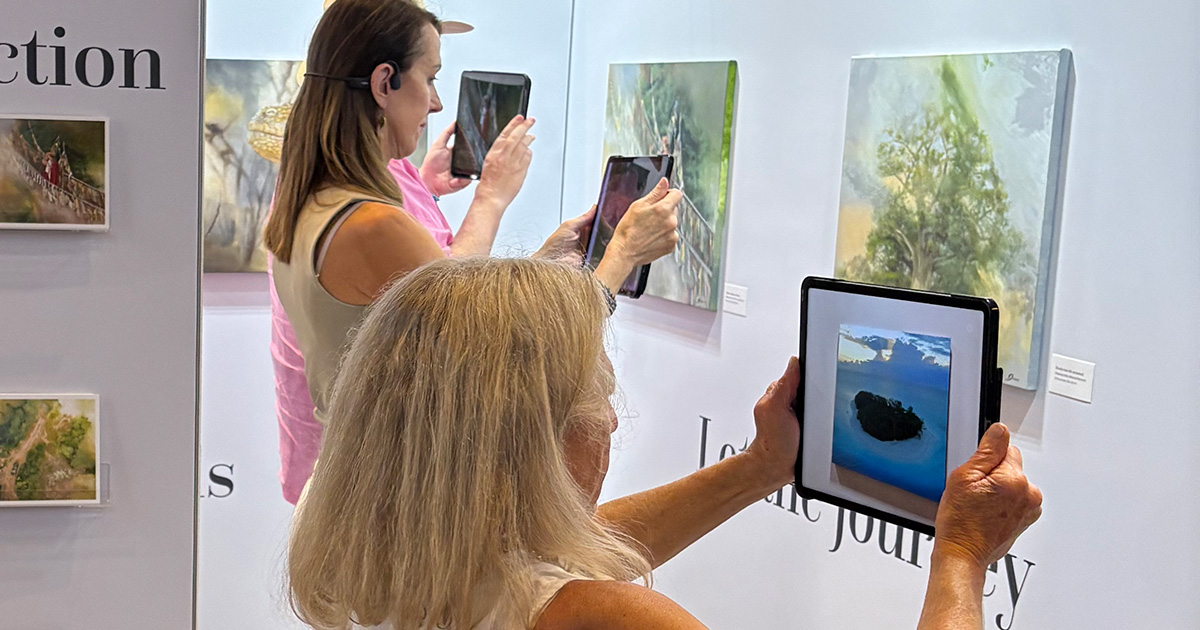
The Great Migration is one of the most dramatic natural events on Earth. It is a year-long journey of more than two million wildebeest, zebra, and gazelle moving between the Serengeti and the Maasai Mara in search of rain and fresh grass. On assignment for Immotion, a global company that creates motion-based virtual reality edutainment experiences for zoos, aquariums, museums, and science centers, Habitat XR undertook its largest and most complex cinematic VR shoot to date.
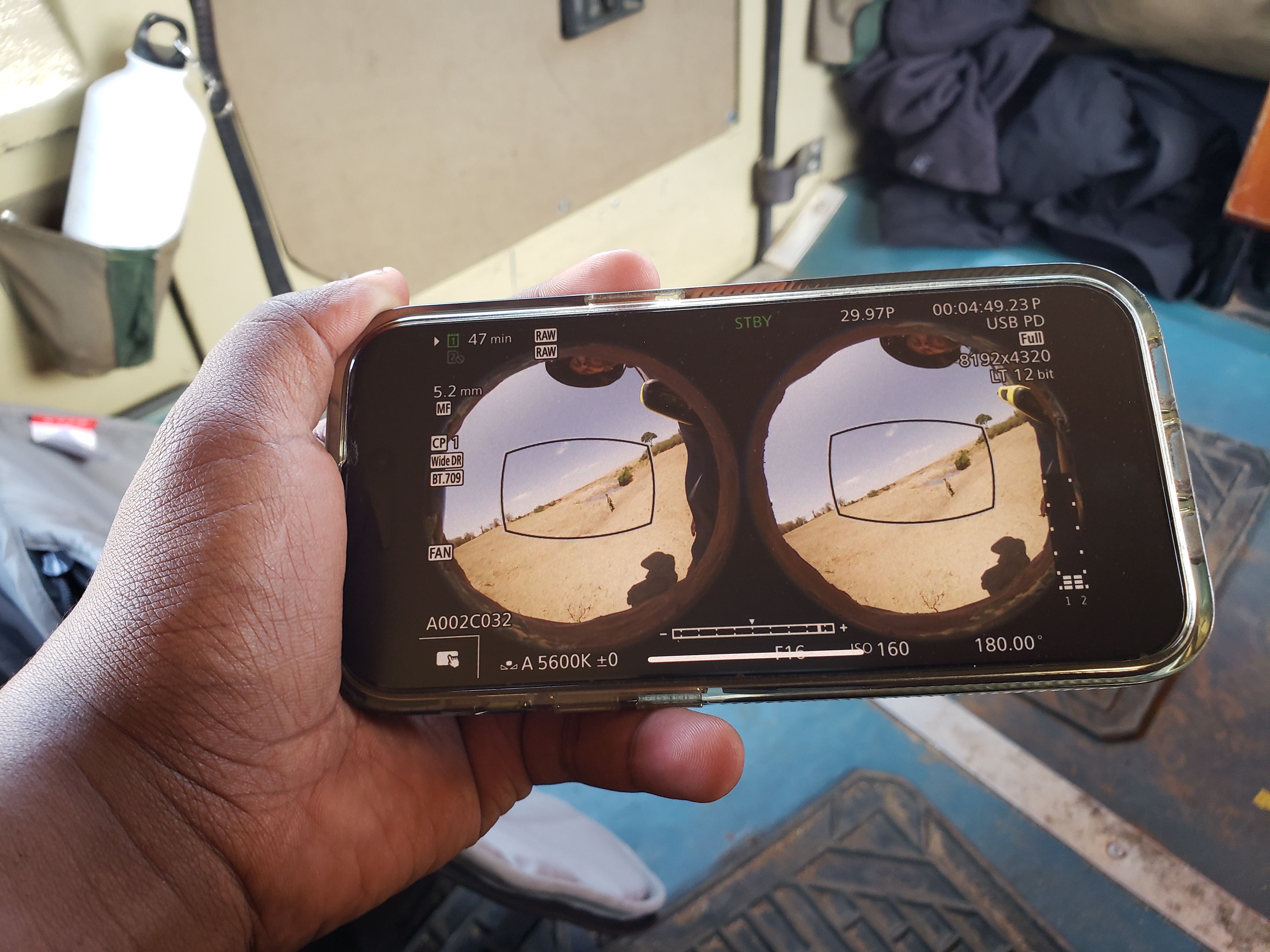
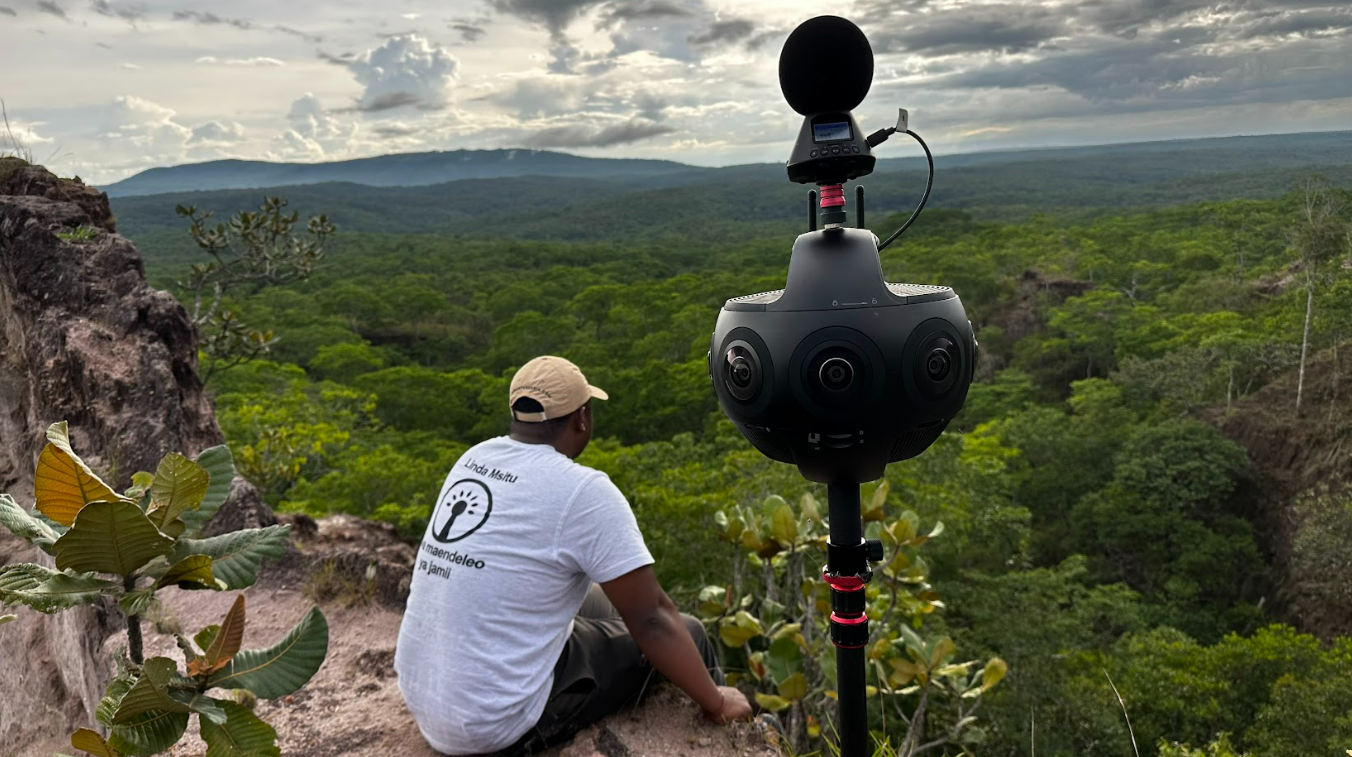
The project, built off the back of our previous experiences filming the migration as an original immersive film in 2016 and again for Conservation International in 2018, translates one of the planet’s most complex wildlife phenomena into a visceral cinematic experience for global audiences. Using thirteen specialised 360 VR cameras across two separate film units over the span of three weeks, this film brings audiences closer than ever to the majestic creatures of the animal kingdom, capturing river crossings, predator encounters, and in-herd perspectives that traditional wildlife filmmaking can’t portray.
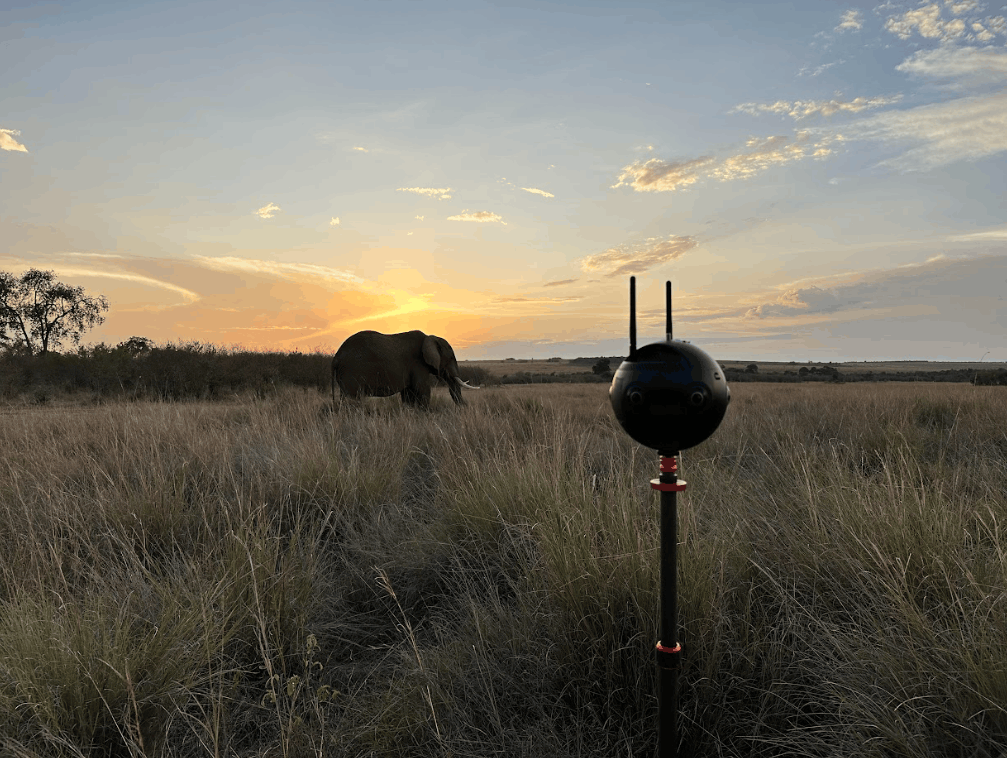
Filming the migration presents extreme logistical and environmental challenges, particularly in immersive formats. The herds move unpredictably. River crossings are chaotic and dangerous. Crocodiles, hippos, flooding, drought, and territorial predators create constant risk to crew and equipment. Capturing the story required proximity without interference, innovation without disturbance, and access without disrupting wildlife behaviour. At the same time, climate change, fencing, land encroachment, and poaching threaten migratory corridors. The film needed to leverage immersive storytelling to address the fragile balance between wildlife, local communities, and conservation efforts, putting viewers on the frontlines of this intricate system.
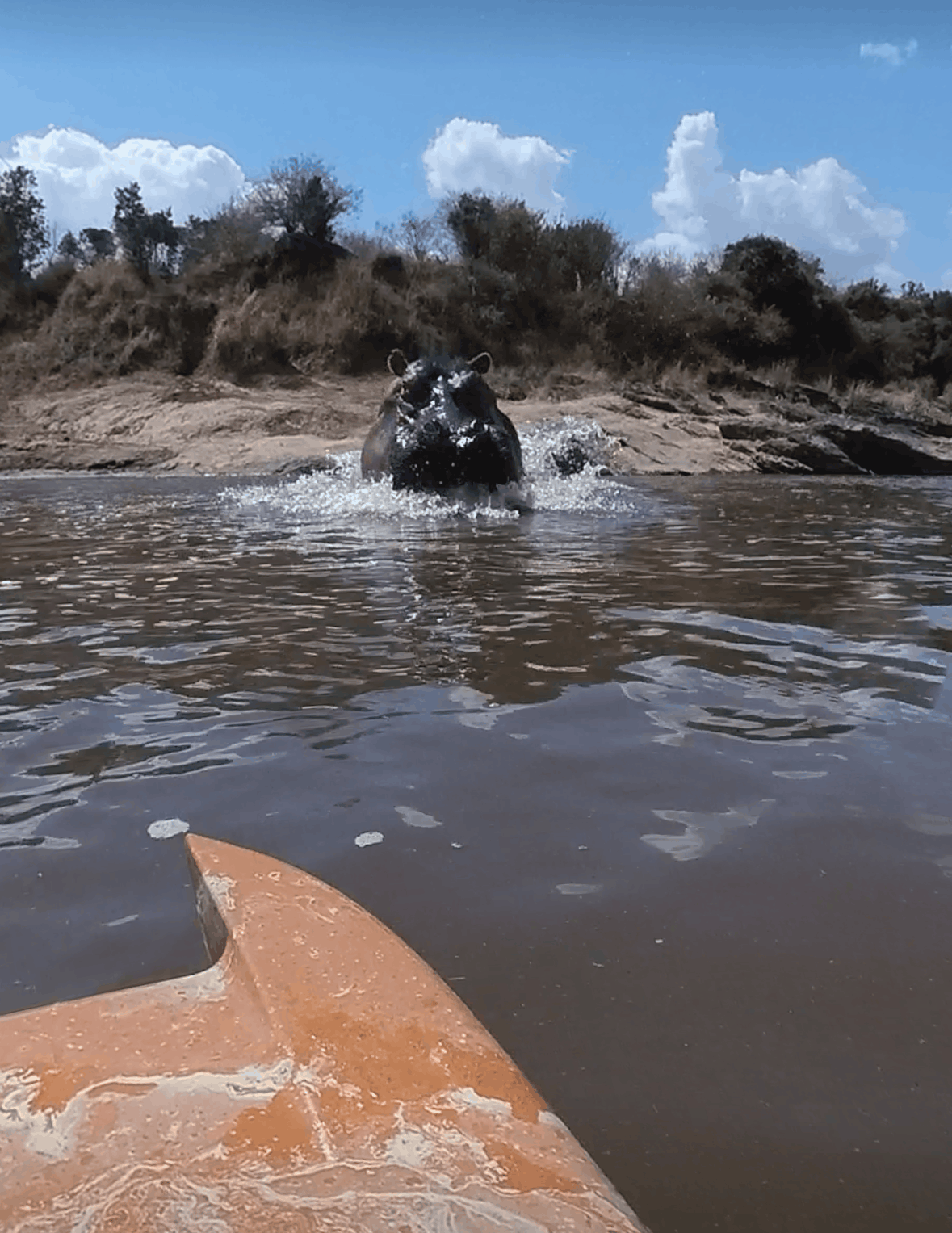
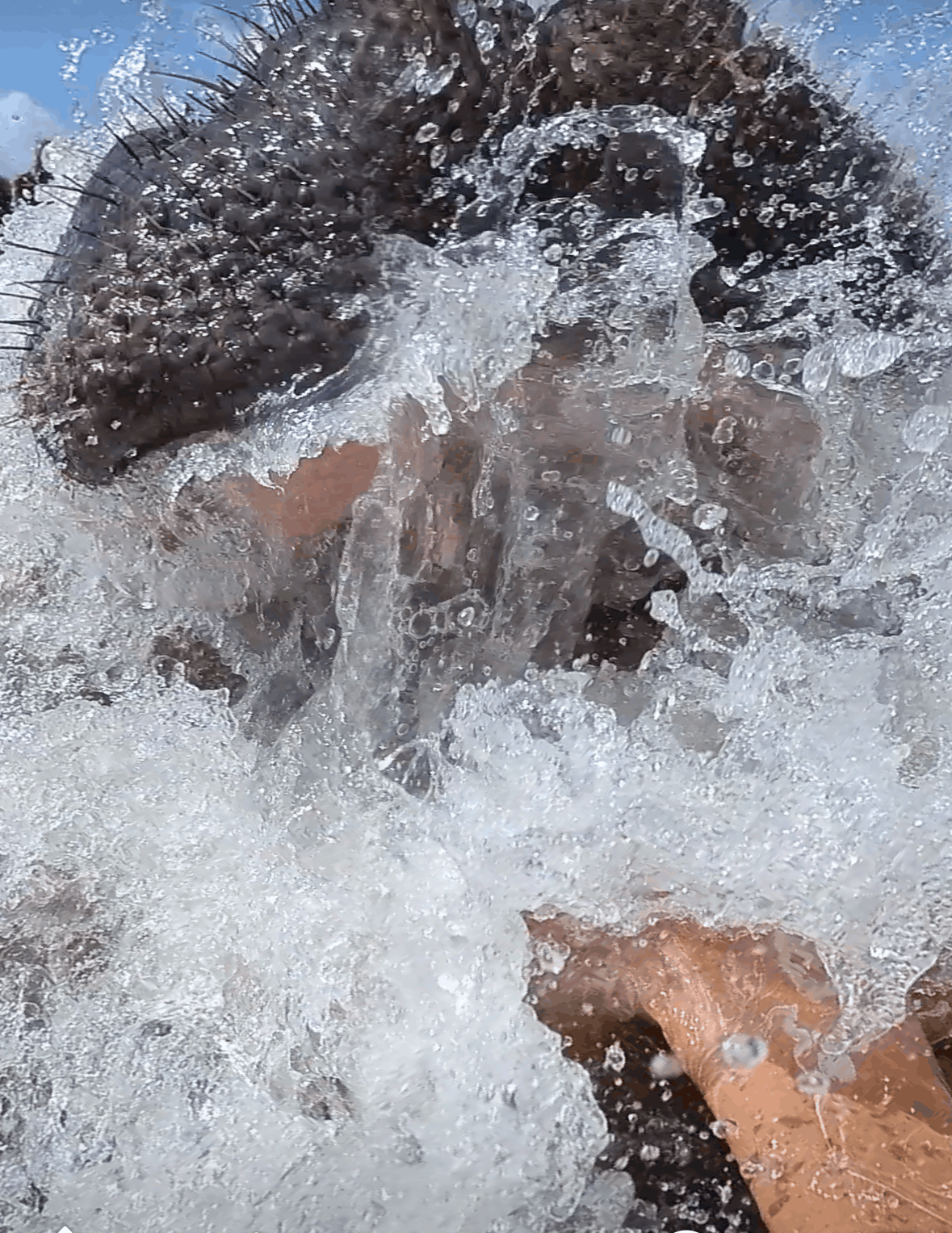
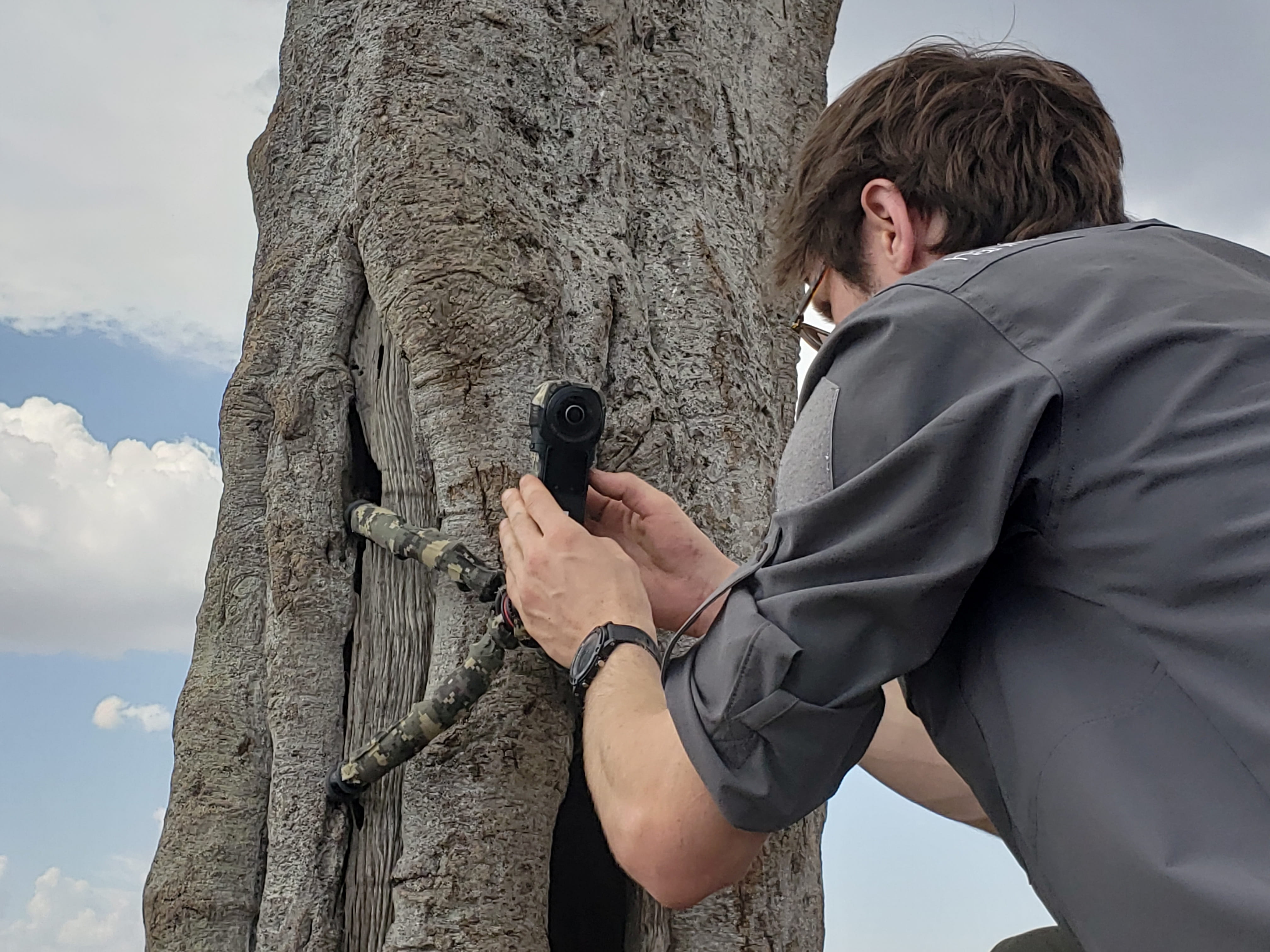
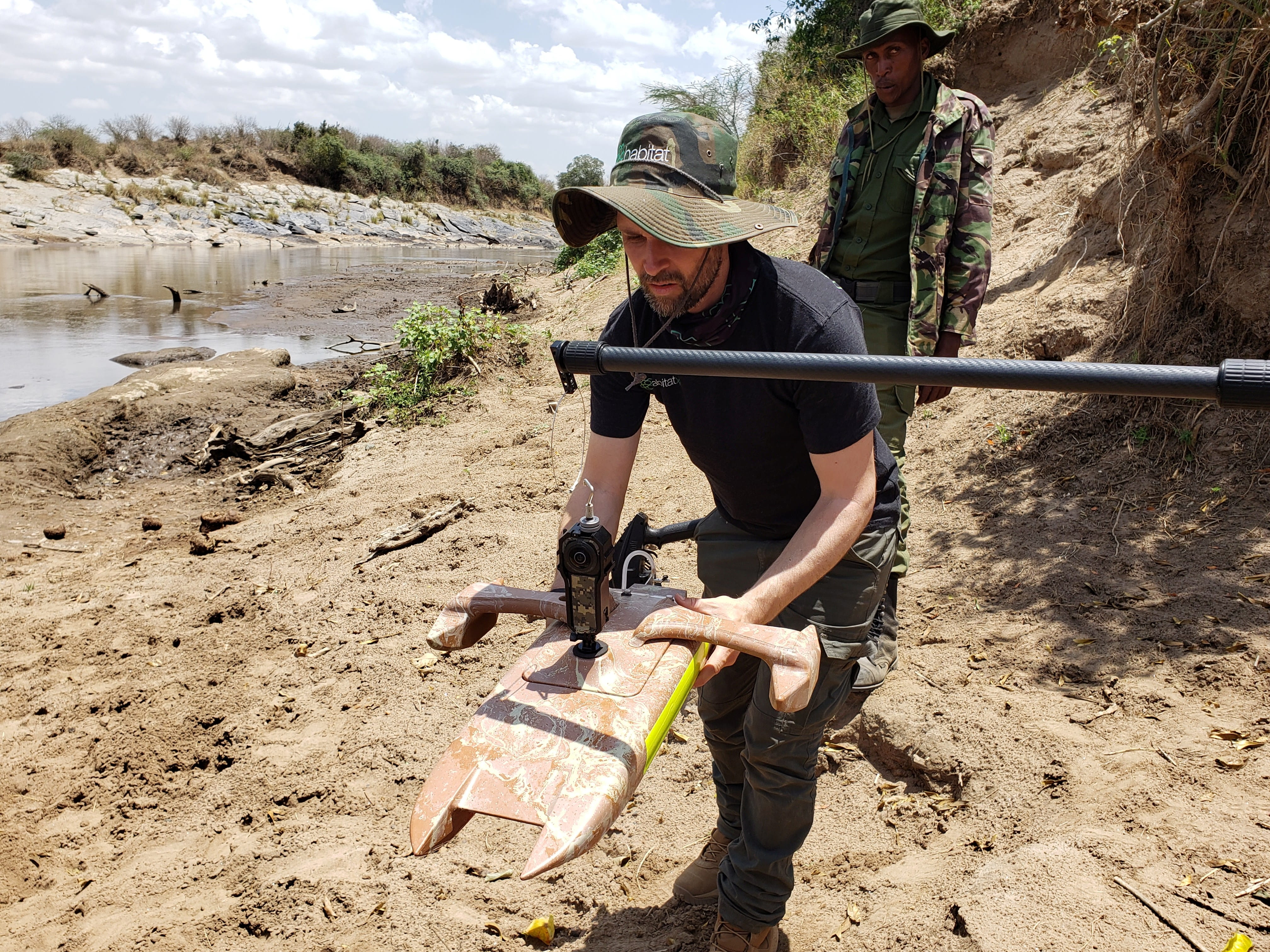
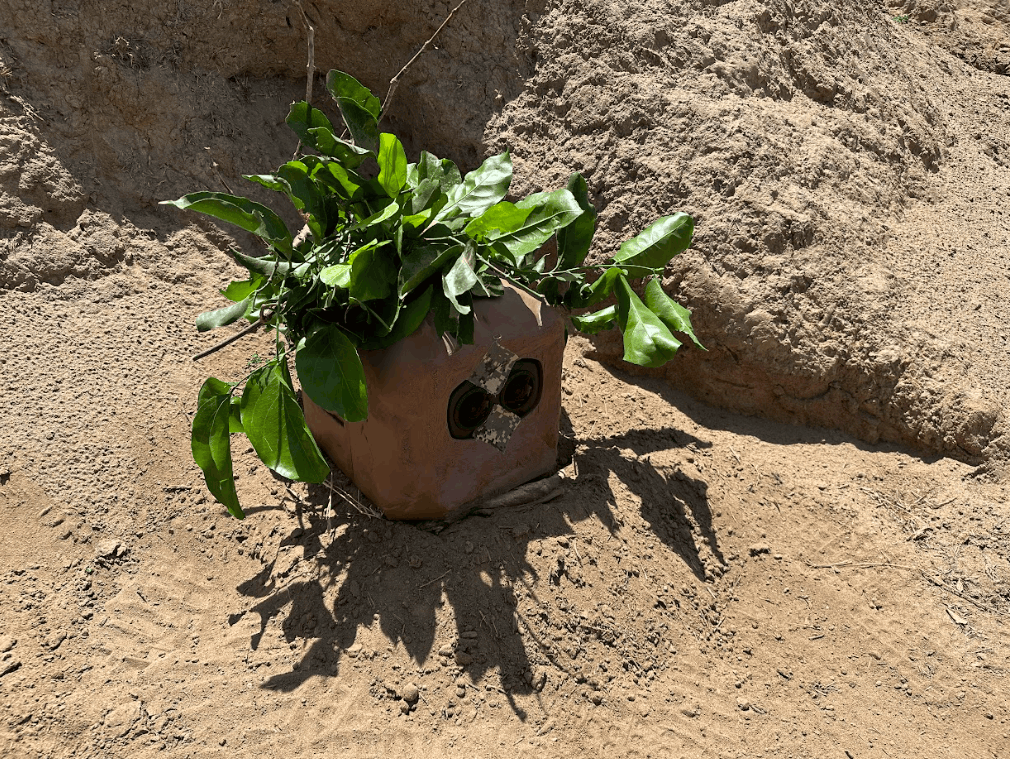
We engineered a suite of custom filming solutions to safely capture the migration from within the landscape. Specialised remote-piloted croc cams were deployed at river level, potentially for the first time in the Mara river’s history, to document crossings from the animals’ perspective without placing crews in danger. Custom rock cams were embedded into the muddy terrain to film the chaotic descents into and exits from the infamous river. Hot air balloons enabled aerial filming of the dramatic crossings and landscape in the Mara reserve itself. Drone permissions were secured in a private concession to document elephant movements, rescue operations, and conservation patrols led by the Mara Elephant Project. This included helicopter sequences capturing real-time veterinary interventions where wounded elephants were darted, treated, and returned to their herds. Given the vast distances in the reserve, a special fit-out of an all-wheel-drive matatu as a mobile battery charging & DIT facility allowed crews to maximise opportunities in the field without returning to camp.
By combining embedded ground cameras, aerial cinematography, and intimate wildlife observation, the film delivers both epic scale and emotional proximity while maintaining strict ethical wildlife practices.
By weaving together wildlife spectacle with community-led conservation efforts, the project reframes the Great Migration as a living system under pressure from climate change, fencing, and human expansion. Distributed through Immotion’s global network of immersive venues (reaching more than two million visitors each year) the film extends access to audiences who may never travel to East Africa, transforming one of the world’s most iconic natural events into a shared educational experience that fosters empathy, urgency, and hope for coexistence. The Great Migration was awarded Best in Virtual Reality at the 2024 Wildlife Conservation Film Festival, a meaningful recognition of how immersive storytelling can deepen our connection to the natural world.
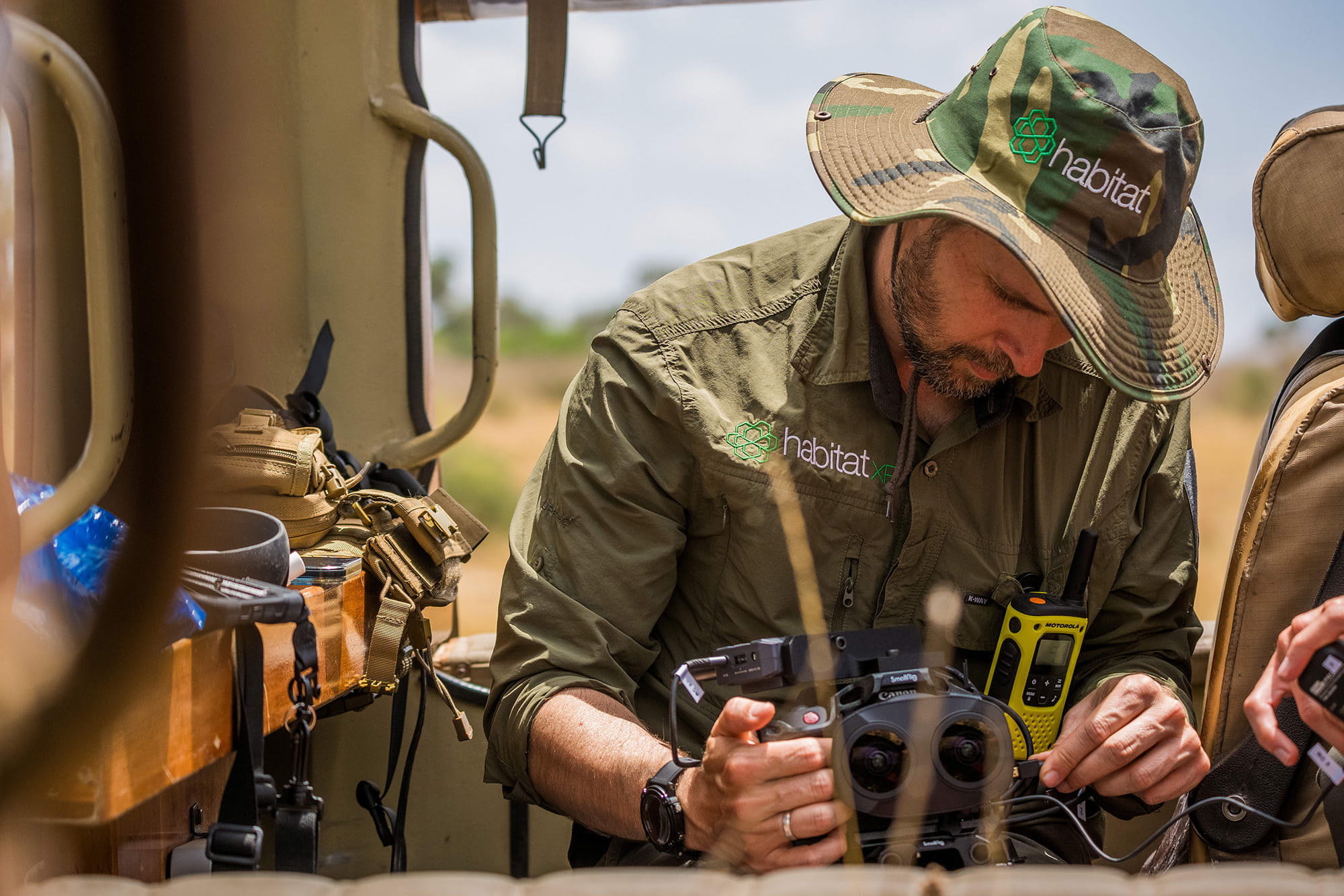
"The Habitat XR crew are one of the leading wildlife VR specialists in the world, and this reputation delivered for us on this shoot, which comes off the back of having worked with Habitat XR on two successful previous projects in Mozambique and in Rwanda. We were able to capture very high quality shots of an incredible diversity of animals during this shoot window including wildebeest in the migration, crocodiles, hippos, lions, elephants, cheetah, black backed jackals.
The logistical professionalism and environmental care shown by the team makes me recommend them for any immersive nature-related project without hesitation."